
Talking to Loved Ones About Panic Disorder: A Guide

Learn how to have supportive conversations with loved ones about panic disorder, share your experience, and build understanding and encouragement.
Preparing for Your First Panic Therapy Session

Learn what to know, what to bring, and what to expect during your first therapy session for panic, helping you feel prepared, confident, and supported.
Panic Disorder and Co-Occurring Conditions: What to Watch For

Learn how panic disorder can co-occur with depression, trauma, or chronic illness, and what signs to watch for to ensure effective treatment and support.
Mind-Body Practices for Panic: Meditation, Yoga, and Breathwork

Explore how mind-body practices like meditation, yoga, and breathwork can complement panic disorder treatment, reduce symptoms, and improve emotional balance.
Panic in Teens vs Young Adults: What Parents & Educators Should Know

Learn how teens and young adults experience panic differently, and what parents and educators can do to support them effectively and reduce stress.
How Sleep, Nutrition, and Habits Impact Panic: The Mind-Body Seven

Discover how sleep, nutrition, and daily habits influence panic, and learn the Mind-Body Seven approach to improve emotional regulation and reduce panic attacks.
Common Misunderstandings About Panic Disorder
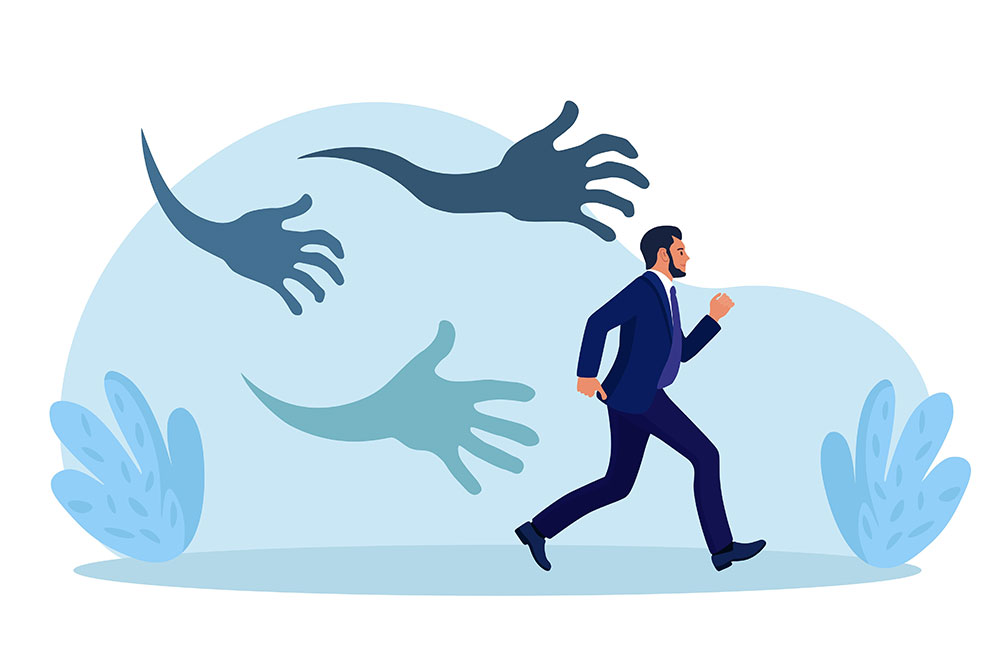
Learn about common misunderstandings surrounding panic disorder, what people often get wrong, and the facts that can improve awareness and support.
Panic Disorder: More Than Just Anxiety

Understand why panic disorder is more than general anxiety, explore its root causes, and learn how targeted treatment can reduce symptoms and improve daily life.
Understanding the Physical Symptoms of Panic

Learn about the physical symptoms of panic, why they occur, and how recognizing them can help you manage panic attacks more effectively.
Lifestyle Changes to Reduce Panic Attack Frequency

Discover lifestyle changes that can help reduce the frequency of panic attacks, including sleep, exercise, nutrition, and stress management strategies.
Common Myths About Panic Disorder Debunked
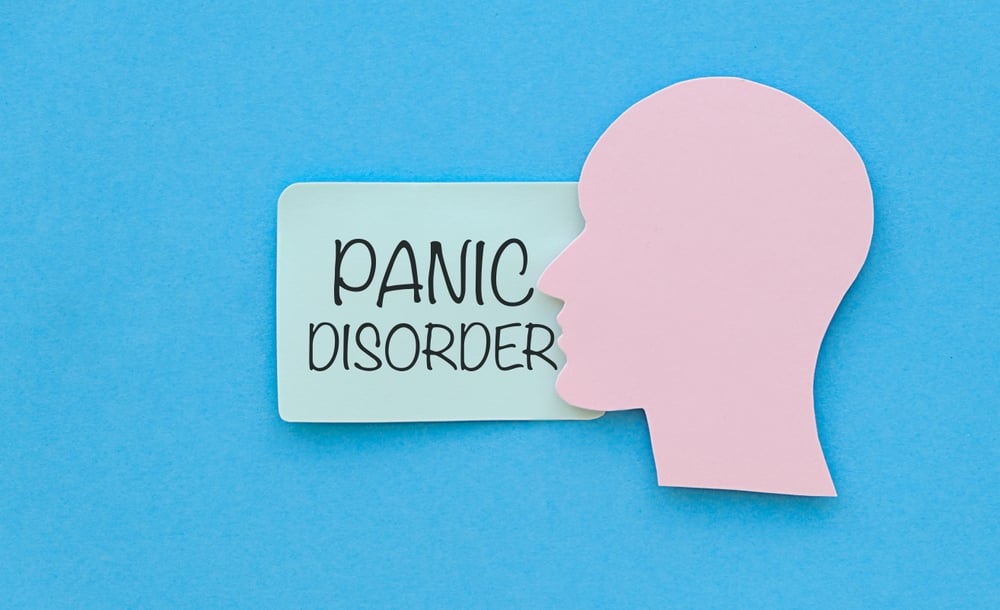
Debunk common myths about panic disorder and learn the facts about symptoms, causes, and effective strategies for managing and recovering from panic attacks.
Support Networks and Panic Disorder Recovery

Learn how support networks play a crucial role in panic disorder recovery by providing encouragement, understanding, and practical help for managing symptoms.
How Therapy Prevents Future Panic Episodes

Discover how therapy helps prevent future panic episodes by teaching coping strategies, identifying triggers, and strengthening emotional resilience.
Breathing Exercises for Panic Attacks: How They Help

Learn how breathing exercises can reduce panic attack intensity, calm the nervous system, and help you regain control during moments of acute anxiety.
Panic Disorder in Teens vs Adults: Key Differences

Explore how panic disorder presents differently in teens and adults, what symptoms to watch for, and effective treatment approaches for each age group.
Medication for Panic Disorder: How It Supports Treatment

Discover how medication can support panic disorder treatment, reduce symptoms, and work alongside therapy to improve daily functioning and emotional well-being.
Cognitive Behavioral Therapy for Panic Disorder
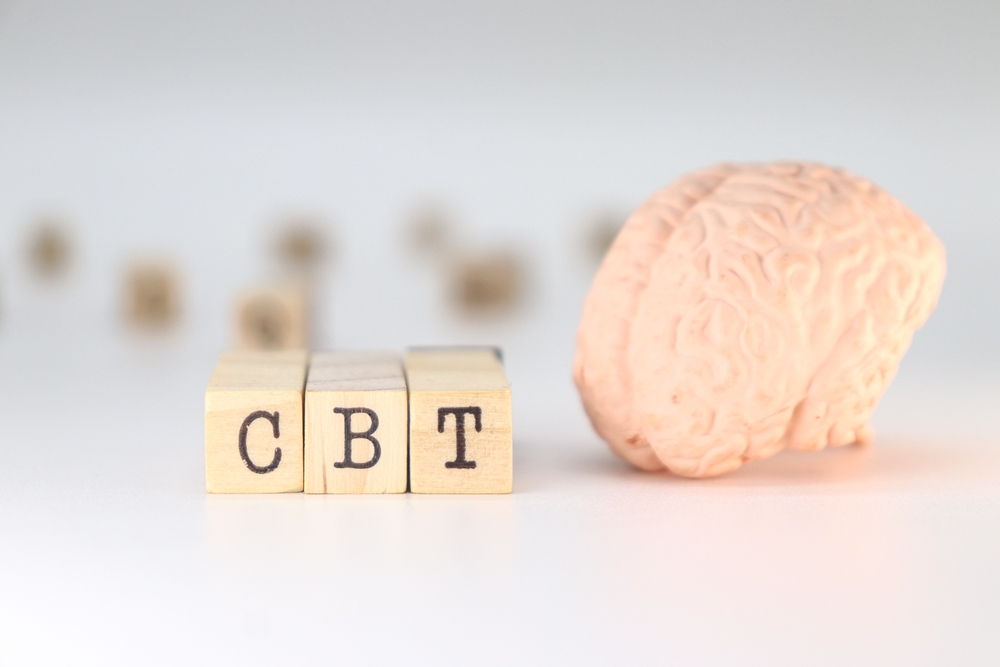
Learn how cognitive behavioral therapy (CBT) helps treat panic disorder by reducing fear responses, changing thought patterns, and preventing panic attacks.
Panic Disorder Triggers and How to Manage Them

Learn common panic disorder triggers and practical strategies to manage them, reduce panic intensity, and regain confidence in daily life.
When to Seek Professional Help for Panic Attacks

Learn the signs that indicate it’s time to seek professional help for panic attacks and how timely support can reduce symptoms and restore control.
Panic and Agoraphobia: How Avoidance Takes Hold

Understand the connection between panic and agoraphobia, how avoidance develops over time, and what helps interrupt this cycle and restore confidence.
Daily Grounding Techniques for Panic Attacks

Learn daily grounding techniques that help reduce panic attack intensity and support steadiness, calm, and emotional regulation in everyday moments.
What Happens in Panic Disorder Therapy? A Clear Guide to What to Expect

Learn what to expect in panic disorder therapy, including common approaches, session structure, coping tools, and how treatment helps reduce panic symptoms.
Panic Attack vs Anxiety Attack: How to Tell the Difference and Why It Matters
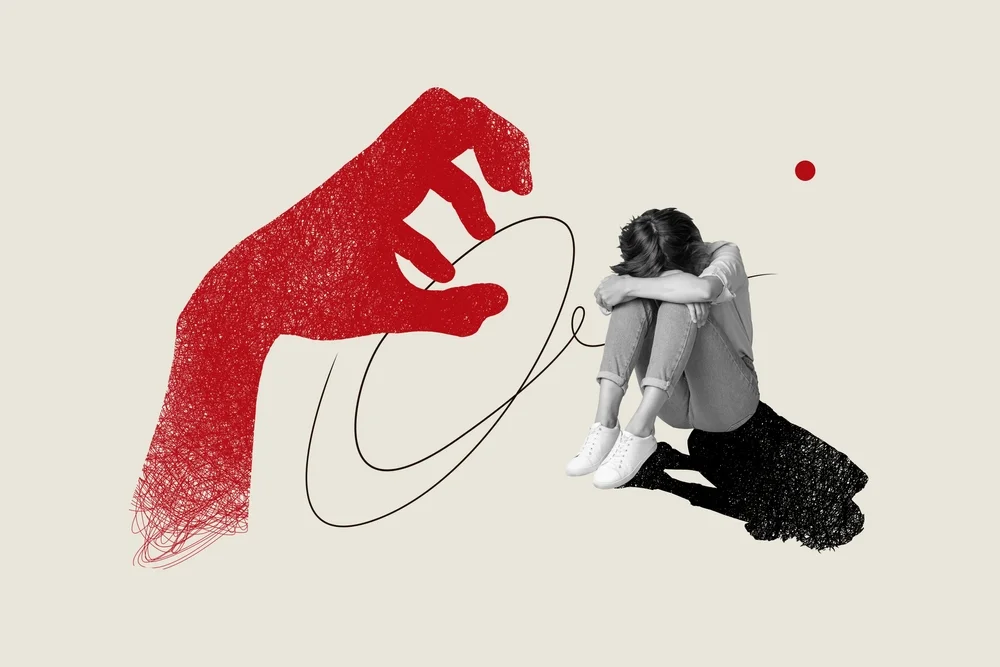
Learn the key differences between panic attacks and anxiety attacks, including symptoms, triggers, and why accurate recognition matters for effective treatment and support.
LGBTQ+ Therapy Myths Debunked: What Affirming Support Looks Like

Debunk common myths about LGBTQ+ therapy and discover what affirming, supportive mental health care truly looks like for emotional well-being and resilience.
Trauma and LGBTQ+ Mental Health: Understanding the Impact

Explore the connection between trauma and LGBTQ+ mental health, and learn how affirming therapy can provide support, healing, and resilience.
Therapy for Coming Out and Identity Acceptance

Learn how therapy supports coming out and identity acceptance by providing a safe space, clarity, and confidence for LGBTQ+ individuals navigating their journey.
Mindfulness and Resilience in LGBTQ+ Therapy: Tools for Healing

Discover how integrating mindfulness and resilience in LGBTQ+ therapy supports emotional balance, personal strength, and long-term mental health.
Coping With Discrimination: Therapy for LGBTQ+ Clients

Learn how therapy helps LGBTQ+ clients cope with discrimination by offering emotional healing, practical tools, and supportive strategies for resilience and well-being.
Transgender Mental Health: What Affirming Care Looks Like

Explore how affirming care supports transgender mental health by providing validation, guidance, and strategies for emotional well-being and resilience.
LGBTQ+ Youth Mental Health: How Therapy Provides Support

Learn how therapy helps LGBTQ+ youth feel safe, seen, and supported, promoting emotional well-being, resilience, and healthy identity development.