
The Role of Family Therapy in Relationship Health

When a relationship feels strained or stuck in a painful cycle, it’s natural to focus on the dynamic between the two of you. Yet, so much of how we love, fight, and communicate is shaped long before…
How Therapy Helps Rebuild Trust After Infidelity

The discovery of infidelity is one of the most painful experiences a relationship can endure. It can feel like the ground has fallen away, leaving behind a landscape of shock, grief, and profound…
Conflict Resolution Strategies Learned in Therapy

Conflict is a natural part of any human relationship. No two people, no matter how much they love each other, will agree on everything. Yet for many of us, conflict feels like a sign of failure—a…
Why Some Couples Wait Too Long to Start Therapy

The thought of starting couples therapy often comes with a mix of hope and hesitation. You might feel a quiet sense that things could be better in your relationship, but the idea of sitting down with…
The Difference Between Relationship Coaching and Couples Therapy

When you and your partner feel disconnected or stuck, seeking outside support is a sign of strength and commitment. But the world of relationship help can be confusing. You might see terms like…
How Individual Therapy Can Strengthen Relationships

When a relationship feels strained or disconnected, it’s natural to think that the solution must involve both partners working together. While couples therapy is a powerful tool, sometimes the most…
Relationship Red Flags Therapy Can Help Address

Recognizing that something feels off in your relationship can be a lonely and confusing experience. You might find yourself questioning if a certain behavior is “normal” or if you’re just being too…
How Therapy Helps Couples Improve Communication

Most relationships don’t start with communication problems. In the beginning, connection often feels easy and natural. But over time, the simple act of talking can become complicated.…
Lifestyle Changes That Help Manage Health Anxiety

Lifestyle changes can make a meaningful difference in managing health anxiety, especially when your nervous system feels stuck in a cycle of worry and symptom-checking. Simple habits—like improving…
How to Support Someone With Health Anxiety

Learn how to support a loved one with health anxiety, set healthy boundaries, reduce reassurance-seeking, and encourage lasting recovery.
The Connection Between Health Anxiety and OCD

Health anxiety and OCD can look surprisingly similar, especially when fear shows up as intrusive thoughts or compulsive checking. Both conditions create a cycle where worry rises quickly, the mind…
Medication Options for Severe Health Anxiety

Medication can be a helpful part of treatment for severe health anxiety, especially when worry feels constant or overwhelming. When the nervous system is stuck on high alert, medications like SSRIs…
Health Anxiety in Teens vs Adults: Key Differences

Health anxiety can show up at any age, but it doesn’t always look the same in teens and adults. Teens may react quickly to new sensations, changes in their bodies, or information they find online,…
How to Talk to Your Doctor About Health Anxiety

Talking to your doctor about health anxiety can feel intimidating, especially when you’re worried your symptoms might be dismissed or misunderstood. But sharing what you’re experiencing—both…
Why Googling Symptoms Makes Health Anxiety Worse

Googling symptoms can feel reassuring in the moment, especially when a sensation catches you off guard and you want answers right away. But for people experiencing health anxiety, searching online…
How Therapy Helps Prevent Catastrophic Thinking

Catastrophic thinking can make small sensations or everyday worries feel like emergencies, pulling you into worst-case scenarios before you even realize what’s happening. Therapy helps slow down this…
How Mindfulness Reduces Health-Related Worry
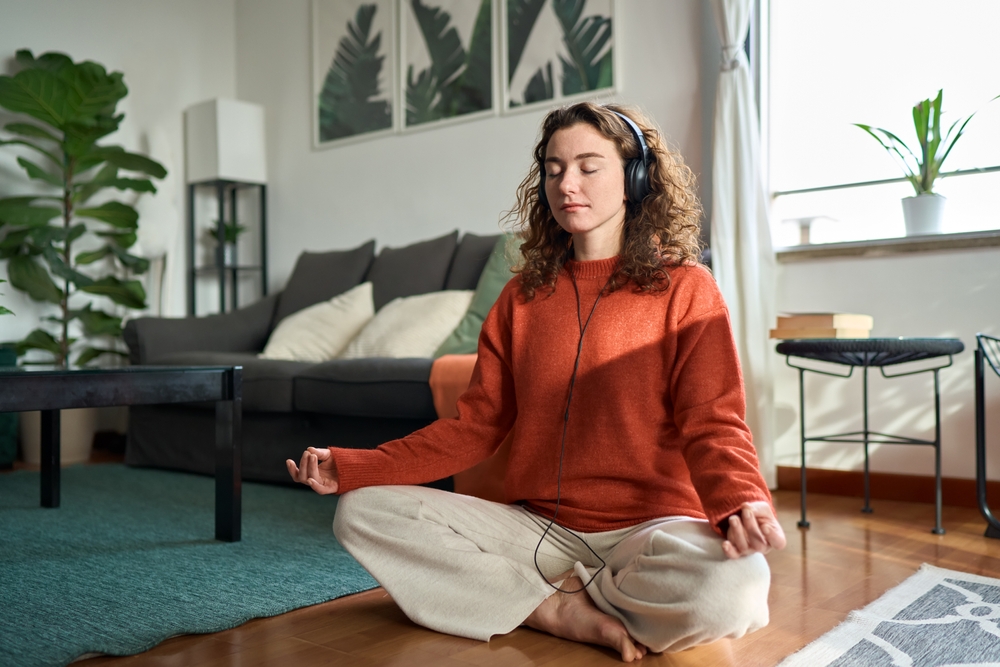
Mindfulness can be a powerful tool for health anxiety because it teaches you how to slow down and notice what’s happening in your mind and body without immediately reacting to it. When worry rises…
How CBT Can Help You Break the Cycle of Health Anxiety

Cognitive Behavioral Therapy (CBT) is one of the most effective treatments for health anxiety because it helps you understand how your thoughts, physical sensations, and behaviors interact. Instead…
How Therapy Helps People With Health Anxiety

Health anxiety can make everyday sensations feel alarming, which can leave you feeling scared, confused, or even ashamed of how strong your reactions are. Therapy offers a place where you don’t have…
Debunking Common Myths About Health Anxiety
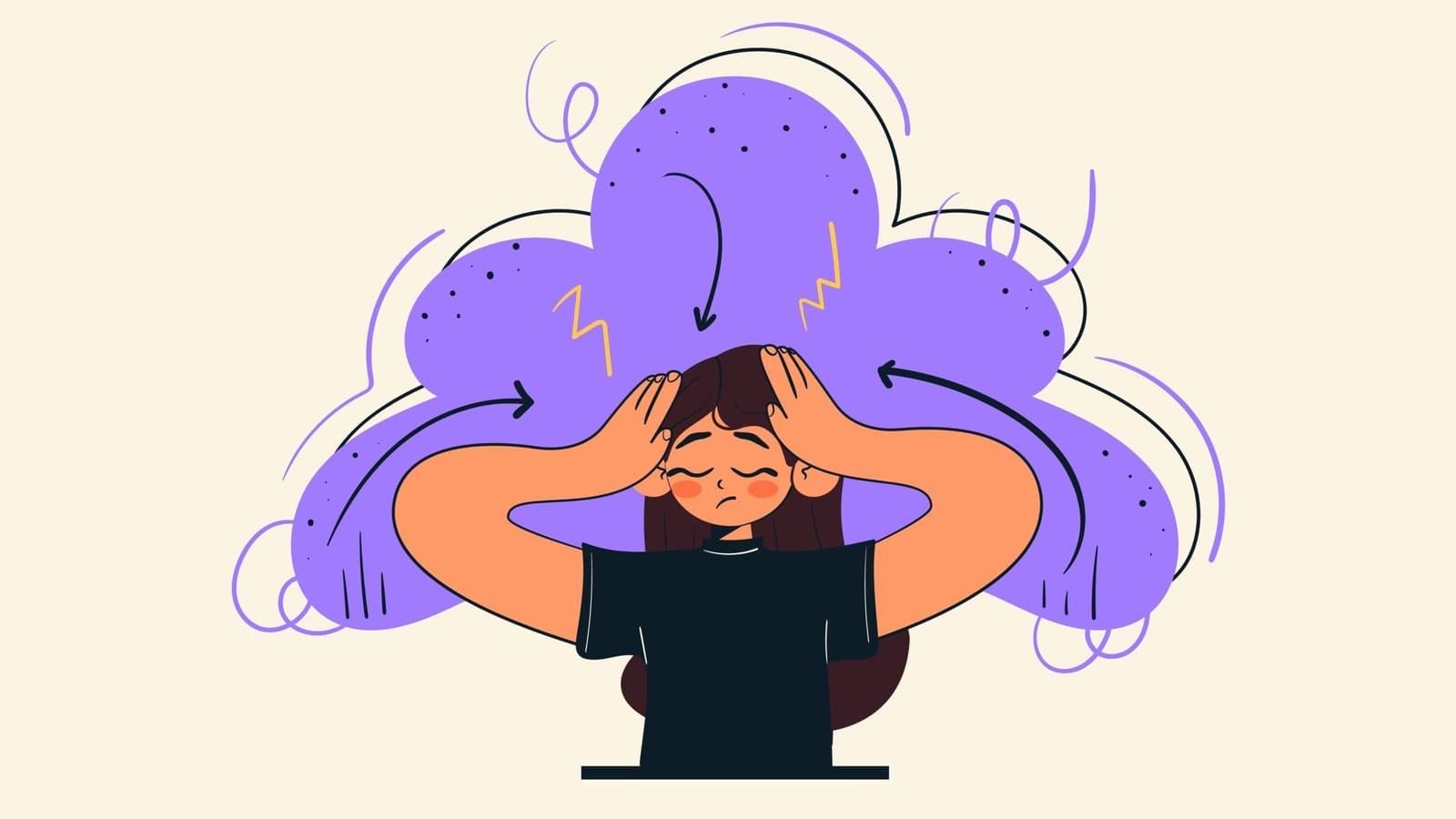
Health anxiety is often misunderstood, and those misunderstandings can leave people feeling ashamed, dismissed, or unsure of what they’re actually experiencing. Many myths suggest that health anxiety…
The Cycle of Health Anxiety Explained

The cycle of health anxiety often starts with a harmless sensation or a quick “what if?” thought that suddenly feels urgent. That urgency can lead to Googling symptoms, checking your body, or asking…
How to Recognize Early Signs of Health Anxiety

Early signs of health anxiety can be easy to miss at first. What starts as a normal concern—a new sensation, a lingering symptom, a story you heard about someone else’s illness—can slowly turn into a…
What Is Health Anxiety and How Is It Different from General Anxiety?

Health anxiety is more than everyday worry—it’s a persistent fear that something in your body is a sign of serious illness, even when exams or tests are reassuring. While general anxiety can shift…
Bipolar Disorder Treatment for Teens vs Adults

Bipolar disorder can look different in teens and adults, which means treatment has to be tailored to each person’s stage of life. Teens may show faster mood shifts, changes in school performance, or…
Common Misconceptions About Bipolar Disorder Treatment
Misconceptions about bipolar disorder treatment are common, and they can make it harder for people to understand what the condition actually involves. Many assume treatment is only about medication,…
How Support Groups Help People With Bipolar Disorder

Support groups can be an important part of bipolar disorder care because they offer a place to connect with people who understand what you’re going through. Hearing others share their experiences,…
Managing Bipolar Disorder Without Medication: What’s Possible?

Some people wonder whether it’s possible to manage bipolar disorder without medication, especially if they’re feeling unsure about long-term treatment or want a more holistic approach. While…
Medication Adherence Tips for Bipolar Disorder

Staying consistent with bipolar medication can make a meaningful difference in managing mood symptoms and preventing relapse. For many people, the challenge isn’t willingness—it’s remembering doses…
How Sleep Affects Bipolar Mood Episodes

Sleep plays a major role in bipolar disorder because even small changes in your rest can shift your mood, energy, and emotional balance. When sleep becomes irregular—too little, too much, or…
Integrating Mindfulness Practices in Bipolar Disorder Care

Mindfulness can be a helpful part of bipolar disorder care because it teaches you to slow down, notice what’s happening in your body and mind, and respond to mood shifts with more clarity. Simple…