
Breast cancer and breast cancer treatment can be debilitating for both the mind and body. Conventional treatments such as surgery, chemotherapy and radiation are most often integral for healing, however, they can also take a significant toll on the body. For example, chemotherapy is incredibly effective in killing cancer cells, but it is an indiscriminate therapy which also attacks and kills healthy cells, resulting in side effects like hair loss, skin rashes, and compromised immune system. In addition to the side effects of treatments themselves, increasingly people are experiencing “financial toxicity” due to rising healthcare costs, lack of health insurance or quality health insurance.
Integrative cancer treatment incorporates complementary therapies that support overall well-being and may help ease common side effects of conventional therapies such as fatigue, anxiety, pain, and nausea. Complementary treatments include a variety of biological and mind-body therapies that can be used in tandem with conventional Western medicine treatments. These include acupuncture, yoga, herbs, cannabis, meditation, and massage therapy.
While the benefits of these treatments can be substantive, complementary therapies are not meant to replace conventional therapies and should always be discussed with your healthcare provider before being adopted into your treatment plan. Not all CAM treatments will be right for everyone, and certain therapies may be ineffective or even harmful when used alongside some conventional therapies. Some supplements and high-dose vitamins, for example, can interact with chemotherapy or radiation.
When CAM therapies are used appropriately, they can bring great relief to cancer patients. In fact, 50-75% of breast cancer patients use at least one form of CAM after diagnosis and report that it contributes to their overall health, symptom management, and well being. A 2017 meta- analysis of CAM therapies conducted by Columbia University researchers graded each CAM cancer treatment based on recent clinical findings:
-
Grade A: Recommends the modality. There is high certainty that the net benefit is substantial. Offer/provide this modality.
-
Grade B: Recommends the modality. There is high certainty that the net benefit is moderate or there is moderate certainty that the net benefit is moderate to substantial. Offer/provide this modality.
-
Grade C: Recommends selectively offering or providing this service to individual patients based on professional judgment and patient preferences. There is at least moderate certainty that the net benefit is small.
Clinical Outcomes for Recommended Therapies:
-
Anxiety/Stress Reduction Meditation (A); Music therapy, Stress management- but longer group programs are likely better than self-administered home programs or shorter programs, Yoga (B); Acupuncture, Massage, Relaxation (C).
-
Chemotherapy Induced Nausea and Vomiting Acupressure and Acupuncture (B); Ginger, Relaxation (C).
-
Depression/Mood Disturbance Meditation, particularly MBSR, Relaxation (A); Yoga Massage Music therapy (B); Acupuncture, Healing Touch, Stress Management (C)
-
Fatigue Hypnosis, Ginseng, Acupuncture, Yoga (C).
-
Pain Acupuncture, Healing Touch, Hypnosis, Music therapy (C)
-
Quality of life Meditation (A); Yoga (B); Acupuncture, Mistletoe, Qigong, Reflexology, Stress management (C)
-
Sleep disturbance Gentle yoga (C)
-
Vasomotor/Hot flashes Acupuncture (C)
Let’s explore a few of these modalities more in depth.
CAM & Breast Cancer Treatment
Massage Therapy
Massage induces relaxation and relieves stress that arises as a result of local and systemic treatments of breast cancer. Massage therapy promotes blood circulation and channels nutrients to the treated parts of the body. A three year study conducted by researchers at Memorial Sloan Kettering Cancer Center in New York City evaluated the effectiveness of massage therapy in improving cancer related symptoms in 1290 cancer patients. They found that massage effectively reduced symptom scores by 50% during a 48 hour follow up window, with out-patients experiencing 10% more relief than in- patients. Massage most effectively treated anxiety, scores for which fell by an average of 60% following treatment. The researchers concluded that massage was a powerful tool to help address and alleviate cancer related symptoms.
If you are having chemotherapy or radiation, or have lymphedema, low blood counts or bone involvement, ask your oncology team before booking a massage and choose a therapist trained in oncology massage.
Diet and nutrition
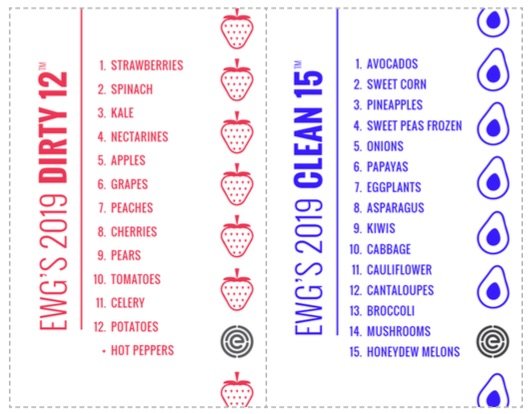
The Environmental Working Group’s Organic Shopping Guide. Whenever possible, buy organic varieties of the fruits and vegetables listed in the “dirty dozen.” These contain the highest concentrations of pesticides. Fruits and vegetables in the “clean …
Diet is crucial to amplifying and improving your treatment results. During conventional cancer treatments it can be difficult to maintain healthy body weight and it is also possible to become malnourished due to lack of appetite, nausea, and the body’s decreased ability to absorb nutrients from food. This comes at a time when the body needs even more nutrients than normal so it can fight infection, heal from surgery, and help stabilize mood.
During (and ideally before and after) treatments, it important to increase healthy food intake – organic green vegetables, small wild fish, nuts, healthy fats, and small quantities of 100% grass fed meat- and to limit or eliminate completely junk food, sugar, processed meat, white flour, and most grains. Fruit is part of a healthy diet during treatment; the idea that fruit sugar “feeds” cancer is a myth, and restricting food can make it harder to maintain a healthy weight. If appetite or weight is a problem, ask your oncology team for a referral to an oncology dietitian.
Dietary supplements
In general you should be cautious with using nutritional supplements and vitamins while going through cancer treatments because some supplements can interact with cancer treatments. Check with your oncologist before using supplements. Some supplements, including turmeric and green tea extract, can interact with chemotherapy or affect the liver, and turmeric and high-dose garlic can raise bleeding risk with blood thinners, so check every supplement with your oncology team, and check with your clinician before starting, especially if you take psychiatric medication, are pregnant or breastfeeding. It is best to work with a knowledgeable integrative medicine doctor and a thoughtful oncologist to figure out the best supplement regimen.
The American Cancer Society makes the following recommendations for choosing and using dietary supplements safely:
-
Investigate before you buy or use.
-
Check with your doctor or other health care providers before you try a supplement.
-
If you are shopping for a botanical (herb or other plant-based supplement), find a product that uses only the part of the plant that’s thought to be helpful. Avoid botanicals that have been made using the entire plant, unless the entire plant is recommended.
-
Does the label provide a way to contact the company if you have questions or concerns about their product?
-
Avoid products that claim to be “miracle cures,” “breakthroughs,” or “new discoveries,” as well as those that claim to have benefits but no side effects, or are based on a “secret ingredient” or method.
-
Try to avoid mixtures of many different supplements. The more ingredients, the greater the chances of harmful effects.
-
Start only one product at a time. Take note of any side effects you have while taking the product.
-
If you have any surgery or procedure planned, including dental surgery, talk with your surgeon about when you should stop taking supplements.
-
Do not take any self-prescribed remedy instead of the medicine prescribed by your doctor without talking about it with your doctor first.
-
Follow the dosage limits on the label. Overdoses can be deadly. Do not take a dietary supplement for any longer than recommended.
Acupuncture
Acupuncture is an effective means to treat the hot flashes that occur as a result of some breast cancer treatments. It can also help to relieve fatigue, nausea, vomiting, and pain. The mechanism by which acupuncture provides relief is complicated, but is thought to involve the stimulation of deep sensory afferent nerves and the increased production of serotonin and endorphins. Stimulating acupuncture points for longer periods by using either needles (“needling”) or touch (“acupressure”) can provide an analgesic effect due to the resulting modulation of the sympathetic (“fight or flight”) and parasympathetic (“rest and digest”) nervous systems. Other effects include regulation of blood pressure, gut motility, immune response, glucose metabolism, glucocorticoids, and sex hormones.
Tai Chi and Qigong
Tai Chi and Qigong are both forms of Chinese movement meditation. They increase parasympathetic nervous system activation which induces a sense of calm and relaxation that can bring many other health benefits.
Herbal therapies
Some people use botanical treatments and medicinal herbs during breast cancer treatment, but the evidence for most of them is limited, and some herbs can interact with chemotherapy, hormone therapy or blood thinners. Many of these herbal plants and their derivatives like garlic oil, echinacea, and CBD oil are currently being investigated as potential treatments that may support cancer treatment.
Other herbal therapies include:
Aloe vera : used to treat surgical wounds or chemotherapy induced dermatitis
Ginger : used to treat nausea and vomiting; should be avoided preoperatively as it has blood thinning properties
Ginseng: used to boost the immune system, increase stamina, and treat cancer- related fatigue. Side effects of taking ginseng may include headaches, breast tenderness and menstrual irregularities, sleep problems, restlessness, rapid heart rate, low blood sugar, allergic reactions, and gastrointestinal problems. Ginseng can interfere with blood thinners and may support growth of breast cancer cells, thus it is important to consult a healthcare professional before adopting it as part of any cancer treatment plan.
If you would like to learn more about the healing properties of herbs, for cancer and other health conditions, check out Memorial Sloan Kettering’s “About Herbs” project where you can download a quick reference guide for common herbal treatments.
Hypnosis
Hypnosis s a psychological way of manipulating your mind into believing that the treatment and therapies will work strictly in your favor. Studies suggest it can help some patients reduce anxiety, stress, and pain. Breast cancer patients who are well-versed with the art of hypnosis can do self- hypnosis as well, making it an even more useful therpeutic tool.
Studies suggest that hypnosis can reduce pain and emotional distress for some cancer patients around procedures. A randomized study by Lang and colleagues evaluated the use of hypnosis among 236 women undergoing biopsy or lumpectomy. Patients were randomized to a brief hypnosis session or a control condition before the procedure. Women in the hypnosis group reported less anxiety and distress during the procedure, and related trials have linked pre-procedure hypnosis to less pain and less need for sedative and pain medication.
Research is also uncovering that combining hypnosis with cognitive behavioral therapy (known as CBTH) has a more positive affect than CBT alone in cancer patients. A 2017 study randomized 100 breast cancer patients into treatment (CBTH) and control (CBT alone) groups to evaluate the effectiveness of CBTH in reducing emotional distress related to radiotherapy treatment. The researchers found that the CBTH group had significant reductions in emotional distress at the midpoint, conclusion, and 4 weeks follow up time point after radiotherapy. They recommend the use of CBT plus hypnosis as it is brief, noninvasive, effective treatment with little to no side effect.
Guided imagery and visualization
Research conducted among breast cancer patients has shown that guided imagery can be used to help relieve anxiety, depression, and moodiness. In guided imagery and visualization, patients are encouraged to personify their illness so that they can visualize it being removed from the body. This, in turn, can give some patients a greater sense of control during treatment. Guided imagery is a supportive practice; it does not treat the cancer itself.
Among breast cancer patients undergoing chemotherapy, research has shown that guided imagery and visualization can increase quality of life, reduce incidences of nausea and vomiting, and improve scores of anxiety, depression, and irritation.
Mind and soul therapies
Your mind plays a major role in perceiving the effectiveness of any given treatment. During cancer treatment it is important to have an understanding of the type of treatment you will undergo, accept it as necessary for healing, and hope for nothing but the best. Research shows that belief is integral for healing, and that it is important for both the physician and patient to have confidence in the treatment plan.
Creative activities like writing and painting can keep your mind occupied and sharp which lends to increased overall mental stability. Prayer and affirmations can reduce stress and anxiety, while providing a sense of connectedness to the larger universe, and research has shown that experiencing joy can boost the immune system.

Yoga
There are eight aspects to the practice of yoga, sometimes referred to as the “eight limbs” or “eightfold path.” The physical postures (asanas) are one and others seven include ethical daily living (yamas and niyamas), breathing techniques (pranayama), oneness with the universe or total absorption (samadhi), focused attention sometimes using mantra (dharana), withdrawing the senses (pratyahara) and meditation training (dhyana). Practicing these elements together can help calm the stress response and support a sense of balance and well-being.
Research shows that yoga can be used in conjunction with cancer treatments to:
-
improve physical functioning
-
reduce fatigue
-
reduce stress
-
improve sleep
-
improve quality of life
Between 2007 and 2014, nine clinical trials were conducted to evaluate the use of yoga interventions in treating physical symptoms, anxiety, and stress in breast cancer patients. Despite the heterogeneity of yoga interventions across the different studies, each incorporated elements of stretching, breath work, meditation, and guided imagery and each demonstrated yoga’s ability to reduce stress and anxiety in breast cancer patients.
A 2017 meta analysis assessed the outcomes of 24 clinical research trials to determine the impact that yoga has on health‐related quality of life, mental health, and cancer‐related symptoms among women with a diagnosis of breast cancer who are either receiving active treatment or who have completed treatment. A total of 2166 participants were enrolled. Based on the clinical evidence, researchers made the following conclusions:
-
Yoga vs. No Intervention: Yoga recommended for improving health related QOL and reducing fatigue and sleep disturbances
-
Yoga vs. Psychosocial/ Education Intervention: Yoga recommended to reduce depression, anxiety, fatigue
-
Yoga vs. Exercise Intervention: Yoga may be as effective as exercise in reducing fatigue and improving QOL, but quality of evidence is low
Researchers noted that reporting of yoga- related risks among the studies was poor, however they did not find that yoga posed any serious risk to breast cancer patients. They also note that no studies have assessed effects of yoga in women who have had a breast cancer diagnosis for more than five years. More long term studies are thus needed to determine the longer term effects yoga can have. Overall, both of these meta- analysis concluded that yoga can be used as a supportive or supplemental therapy for women undergoing breast cancer treatments, both to improve quality of life and reduce stress and anxiety.
How We Can Help
Complementary therapies are becoming more widespread in breast cancer care as supportive options for symptoms such as anxiety, fatigue and nausea, alongside, not instead of, conventional treatment. Dr. Beata Lewis and the care team at Mind Body Seven believe in the power of a holistic approach to care by addressing the seven limbs of wellness: emotions, growth, body, lifestyle, work, love, and the big picture.
We collaborate with you to provide an individualized treatment plan informed by the latest scientific research and your personal preferences. While addressing the symptoms that brought you into treatment, we also empower you to nourish your strengths, interests, passions, and experiences. Call (646) 606-2663 or contact us here today. We look forward to helping empower you to better understand your mind and body and make the best decisions for your life.

