
I see many patients with cancer, as well as family members of individuals with cancer, who spend a lot of time thinking about what they did wrong or what they could have done differently to not get the cancer. This guilt, shame and blame makes it more difficult to deal with the day to day challenges of cancer treatment. I hope that considering the results of this recent study will help each person with cancer who is blaming themselves to take a deep breath and a different, less negative perspective about their situation.
There isn’t always a pronounced individual behavior to attribute to the cause of a certain kind of cancer. While the link between tobacco use and lung cancer is widely known, most cancer cases are not so straightforward.
Cancer can feel like the consequence of individual failures or indulgences in health, like failing to eat well or maintain a healthy body weight. However, a 2017 study by researchers at Johns Hopkins found that about two-thirds of the mutations found in cancers come from random copying errors when cells divide (1). That means many cancers occur even with a healthy lifestyle and are not anyone’s fault. Still, roughly 40% of US cancers are linked to preventable factors such as smoking, excess body weight and alcohol.
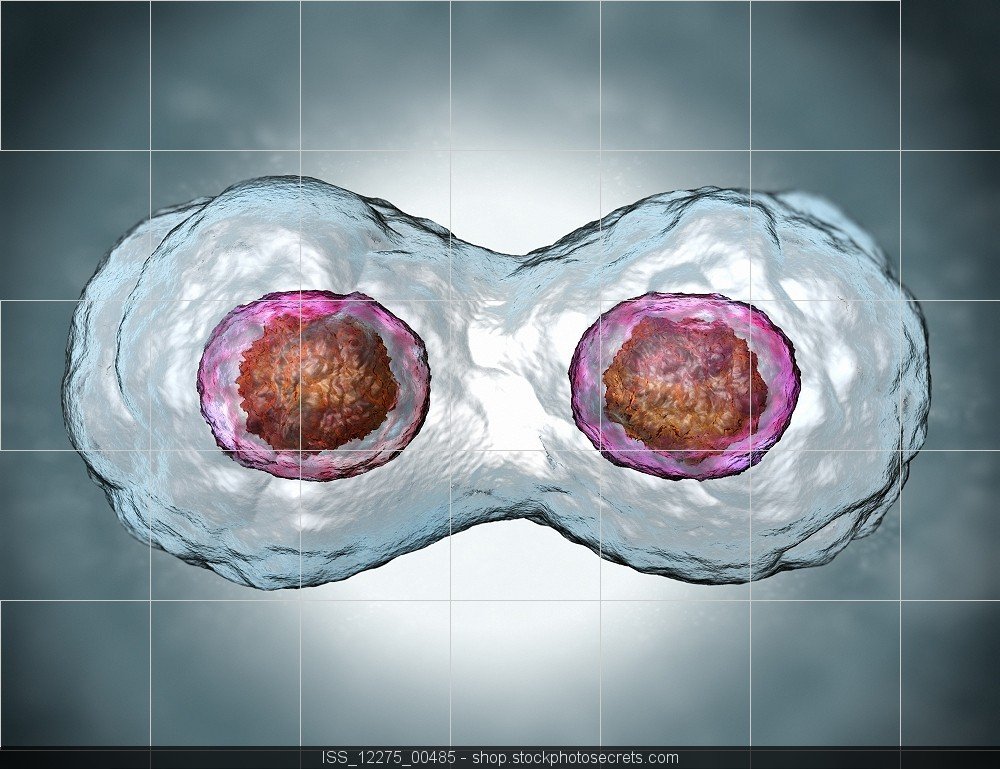
When DNA reproduces, the cells divide and can often make mistakes. These mistakes are usually parts of the DNA that are not critical. However, if cell reproduction includes one random mutation that results in a cancer driver gene, the consequence can be cancer (2).
The study, which followed the relationship between the number of normal stem cell divisions and the risk of 17 cancer types in 69 countries, found that normal stem cell division is linked to cancer regardless of environmental factors (1). The results add a third factor, random copying errors, to the familiar genetic and environmental causes of cancer. The study estimated that most of the remaining mutations are linked to environmental factors such as lifestyle, and a small share to heredity, and the exact percentages vary according to the type of cancer (1). It measured mutations, not cancer cases: most cancers need several mutations, and preventable factors can still tip the balance.
Relief from Guilt
Sometimes, in order to make sense of an illness, we might feel guilty or ashamed for our past health failures, believing that we are to blame or that we could have prevented and illness if we only did this or that. Therefore, we might attribute our indulgences as the cause of a stressful and scary time, fueling self-guilt and regret. However, this study suggests that chance plays a large role in many cancers, so a diagnosis is not a verdict on anyone’s choices.
This is especially true with childhood cancers. The study suggested that random copying errors play an especially large role in many childhood cancers (1). Parents of children who have been diagnosed with cancer should understand that their child’s condition is not a reflection of any failures as a parent.
Healthy Lifestyle Still Important
The flip side to this study is that we might feel out of control of our health, but this is not the case. Roughly 40% of US cancer cases are linked to preventable factors such as smoking, excess body weight and alcohol. A healthy, balanced lifestyle is still important not only to prevent future health concerns, but also to enjoy the present to the fullest. Therefore, adhering to a balanced diet, getting adequate sleep and maintaining an exercise routine remain important pillars of health not only in the long term, but continue to be important in improving daily life.
Conclusion
While it is possible to reduce the risk of some cancers, it is important to understand that many cancers are the result of random mutations.
