Vitamin D deficiency is quite common today. We spend much of our days inside, particularly those living in urban environments, and when we do go outside, we shield ourselves from the sun with clothing, hats, and sunscreen. Few foods naturally contain much vitamin D, so many people in the US have low or insufficient levels.

This is especially concerning as research has linked low levels of Vitamin D with a number of health conditions, including obesity, diabetes, cardiovascular disease, autoimmune disease, osteoporosis and cancer. And several studies have recently associated deficiency in Vitamin D with certain mental health conditions, depression being the most prominent.
Depression is a very common condition that affects millions of Americans each year. Depression is biological and has a strong genetic characteristic; however, it also has a number of triggers, such as the death of a loved one, major life changes, physical illness, alcohol or drugs, traumatic experiences, and relationship problems.

Vitamin D levels can become depleted without enough sunshine, especially during the winter months when we tend to stay indoors and the sun is less intense. We also see a spike in Seasonal Affective Disorder (SAD) during the winter season. SAD is a condition commonly experienced in the winter where individuals experience a much lower mood than during the rest of the year, possibly in part due to lower levels of Vitamin D in their blood.
Several studies have found that low levels of Vitamin D produce more symptoms of depression, and that higher blood levels of Vitamin D correlate with better mood. In one example, researchers at the Department of Psychiatry and Behavioral Neurosciences at St Joseph’s Hospital in Hamilton, Ontario reviewed 14 studies, consisting of 31,424 participants and found an association (which does not prove cause) between depression and low Vitamin D levels.
We have receptors for Vitamin D in our brains, and these receptors are found in the area of the brain linked to susceptibility to depression. Vitamin D may reduce the risk of depression by contributing to the production of serotonin, which regulates mood.
Vitamin D is a fat-soluble vitamin and steroid hormone precursor. It is commonly known as the ‘sunshine vitamin’ since it is also produced endogenously when our skin is exposed to the sun’s ultraviolet rays. Even just 10-15 minutes a day unprotected in the sun for a person with a light skin tone will allow you to generate adequate Vitamin D, for a person with a very dark skin tone the time in the sun may be over an hour or close to 2 hours to generate a daily dose of vitamin D. However, factors like where you live, the season, time of day, cloud cover, skin color and smog will all affect how many International Units (IUs) of Vitamin D are generated. Plus, you need to be sure to expose the skin that is normally covered up in order to make a good amount of vitamin D. And since sun exposure increases your risk for skin cancer, very few people feel comfortable with this solution and dermatologists strongly discourage sun exposure.
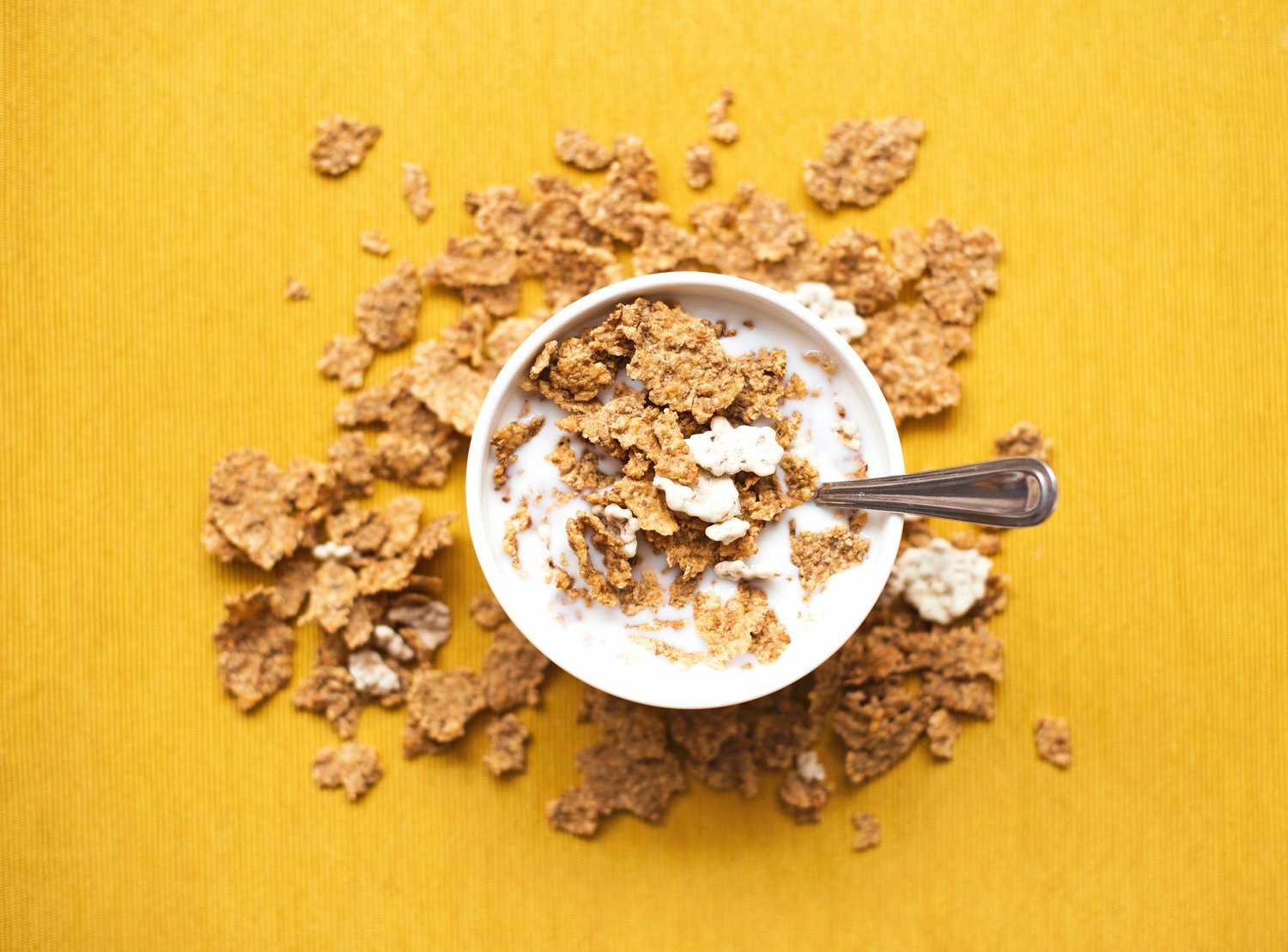


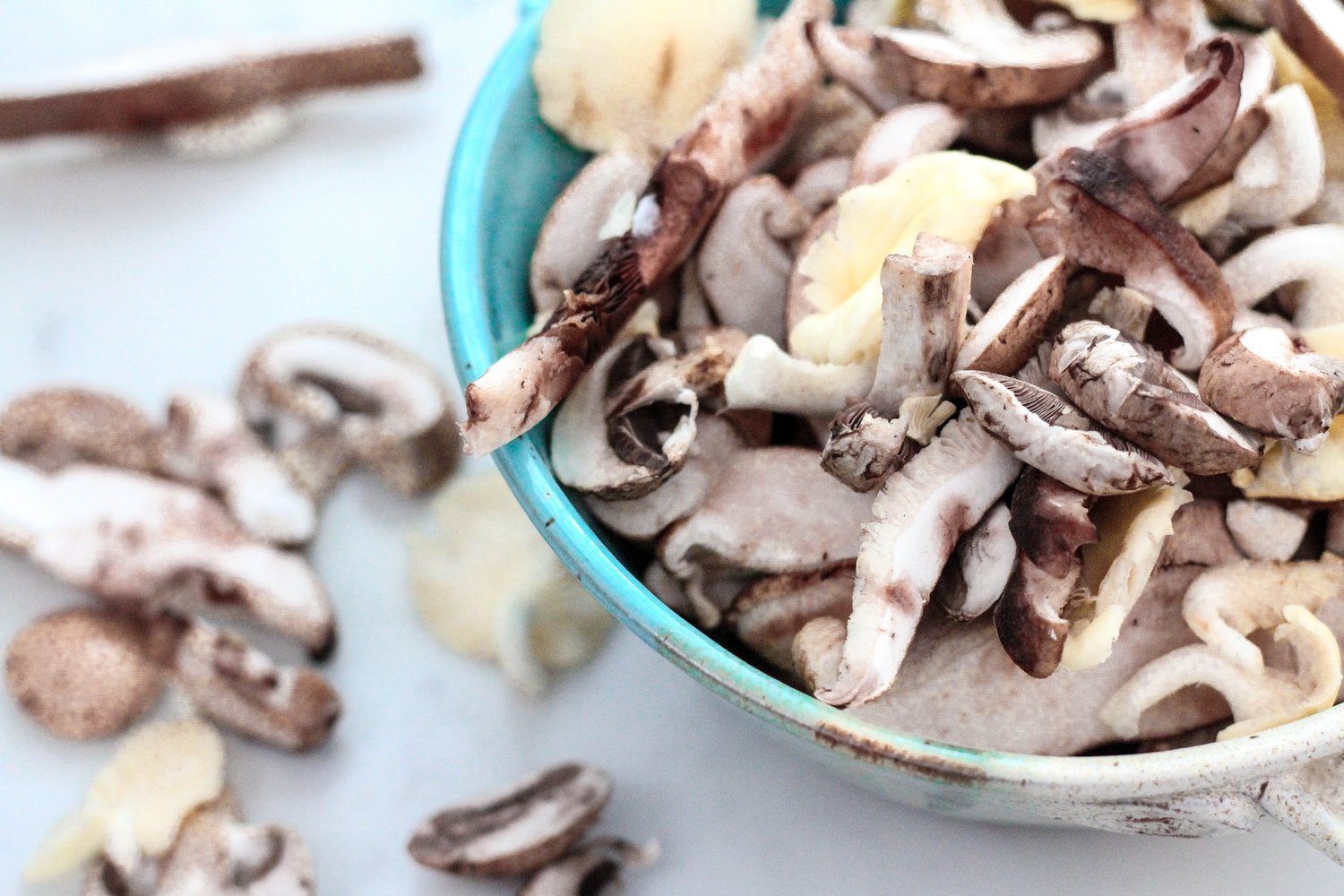
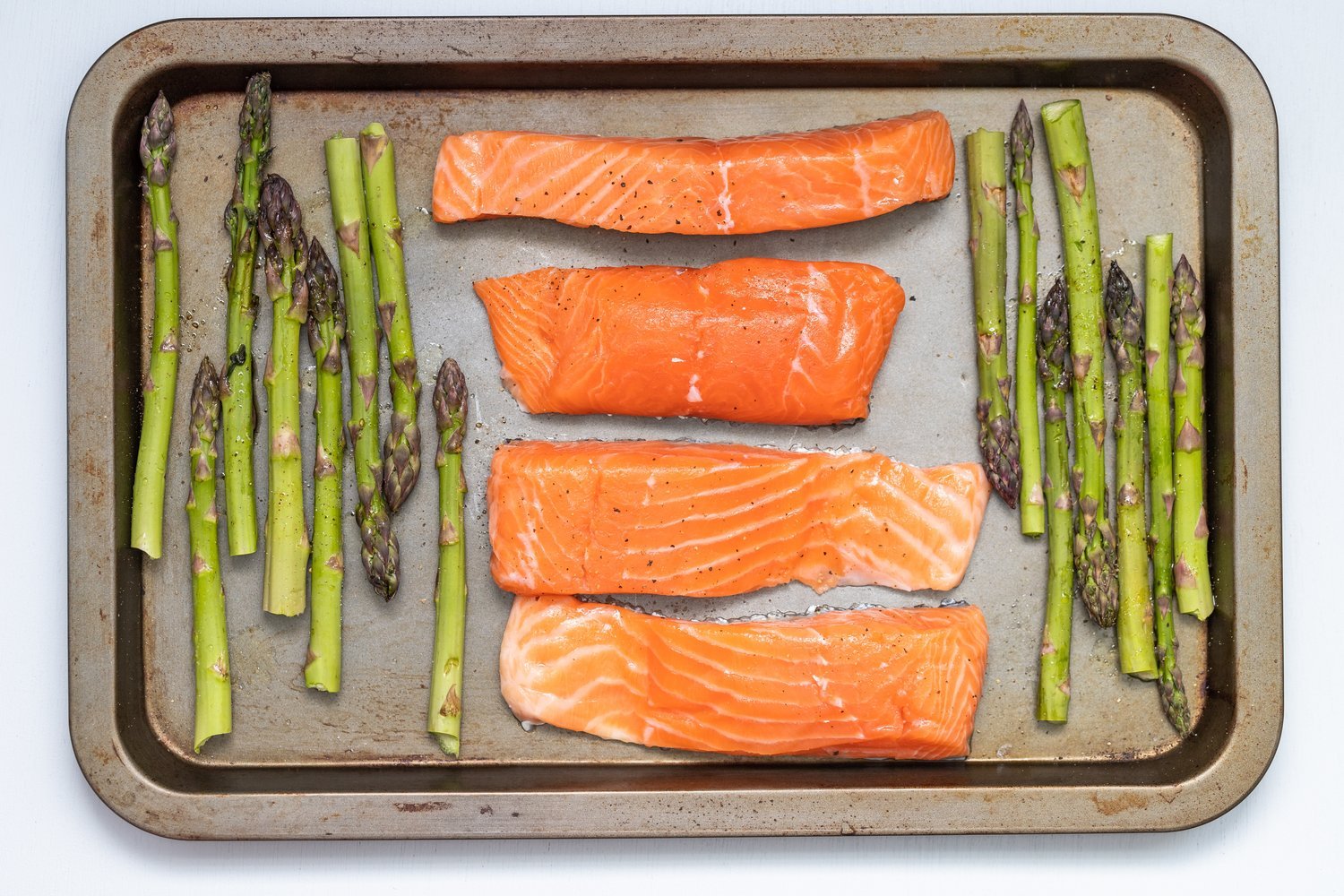
Luckily, there are other ways we can get Vitamin D. It is present in the flesh of fatty, oil-rich fish like salmon, mackerel, tuna and herring, and in fortified foods, such as dairy products, orange juice, infant formula and cereals. The amount of vitamin D available in these foods is relatively low, however, so if you need additional Vitamin D, a supplement is likely the best option.
If you take an over the counter supplement, I recommend taking a supplement of vitamin D3 called cholecalciferol, which is the same vitamin D3 that your body produces. Vitamin D supplements can be found over the counter in just about every pharmacy and chemist; however, there is a high dose form, containing 50,000 IUs of vitamin D2, which can be obtained by a prescription and only needs to be taken once a week. Vitamin D2 is less potent than vitamin D3.
Correcting low levels of Vitamin D may help your overall mood and risk for developing depression, anxiety or other psychiatric symptoms. Of course, any decision you make should be discussed first with your general doctor or psychiatrist. For adults, the upper limit for daily vitamin D without medical supervision is 4,000 IU. Higher doses should only be used when a clinician prescribes them and checks your blood levels. Check with your clinician before starting any supplement, especially if you take psychiatric medication, are pregnant or breastfeeding.
While Vitamin D would only be one component of a larger treatment plan for depression, it may help if your levels are low. Taking too much, however, especially above the 4,000 IU daily upper limit without medical supervision, can lead to Vitamin D toxicity and symptoms such as, weakness, fatigue, sleepiness, headache, loss of appetite, dry mouth, metallic taste, nausea, and vomiting. Vitamin D toxicity is quite rare, but could happen so better to keep the dose of vitamin D reasonable and to check blood levels of vitamin D after starting a supplement to adjust the dose.
Although vitamin D can be sourced from a few foods – not to mention its availability from the sun – a daily supplement is often the simplest way to correct a documented deficiency. It is a good idea to check your Vitamin D levels, even if you are not currently experiencing depression, as a preventative measure and to make sure that you are getting enough. Most labs consider below 20 ng/mL deficient and 20–30 ng/mL insufficient; your clinician sets a target based on your results and health. If you would like more information or guidance, reach out and make an appointment with one of our psychiatric nurse practitioners, Natasha Felton and Kathleen Fentress Tripp, who can suggest lab work and discuss ways to optimize your Vitamin D levels for optimal physical and mental health.