
Psychobiotics 101: Which Probiotic Strains Are Actually Linked to Better Mood
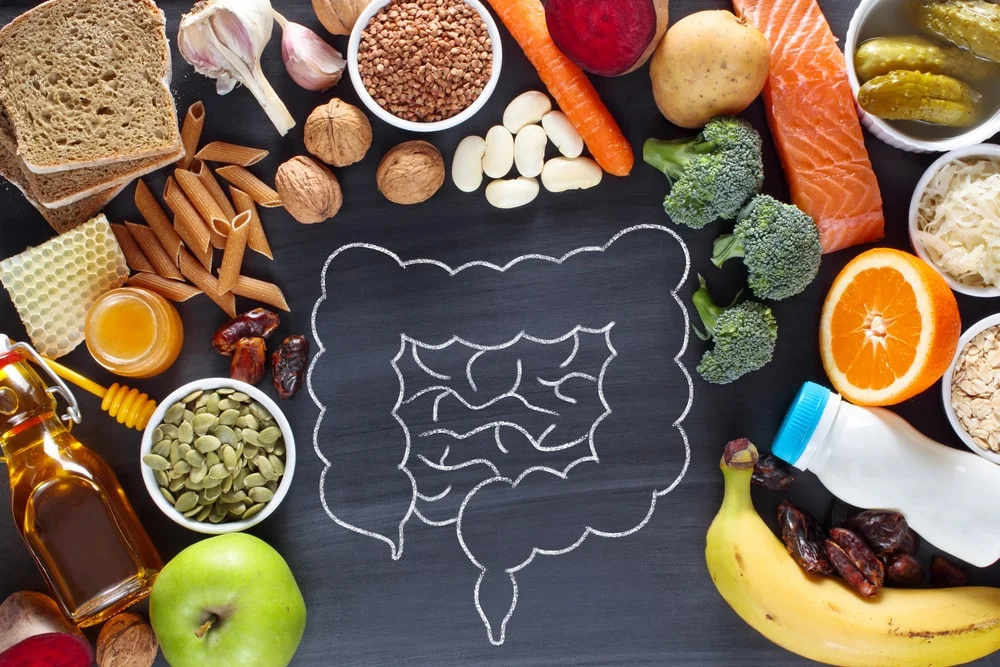
Probiotic effects are strain-specific, and almost nothing on a pharmacy shelf lists the strains that were studied. How to read a label, and what the evidence supports. […]
Zinc Deficiency and Depression: What the Research Actually Says
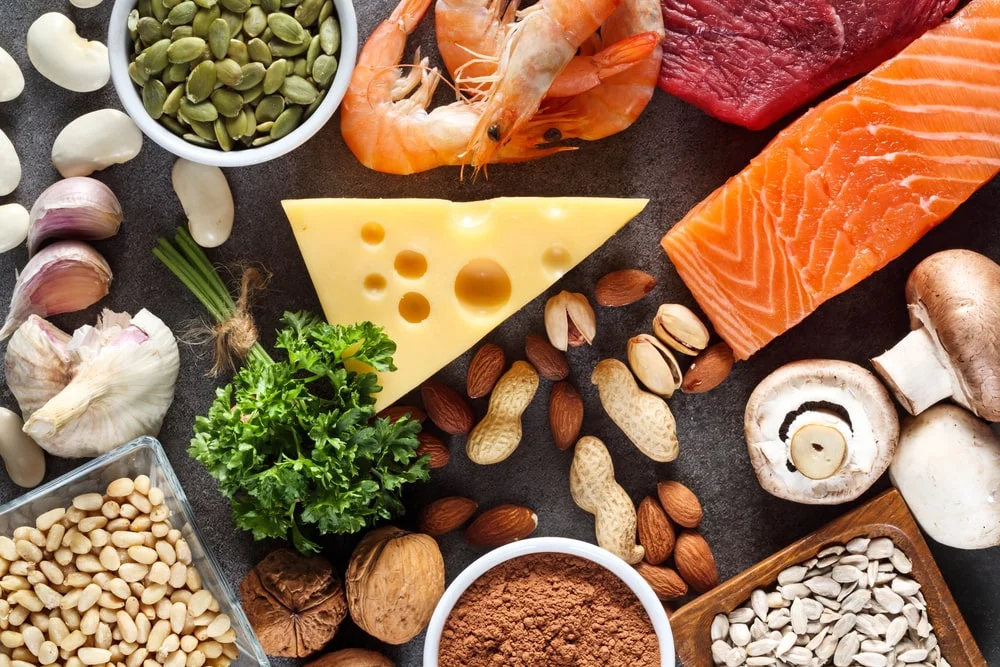
Lower zinc levels do show up consistently in depression studies. Whether supplementing helps — and who it helps — is a narrower question with a more interesting answer. […]
Vitamin D for Depression

At least 25% of Americans are deficient in Vitamin D. Find out why vitamin D is important for your mental health and how to meet the recommended daily dose. While sunlight provides the most vitamin D naturally, too much sun exposure provides its own risks and so many people turn to vitamin D supplements.
Which Supplements Can Help Treat Depression?
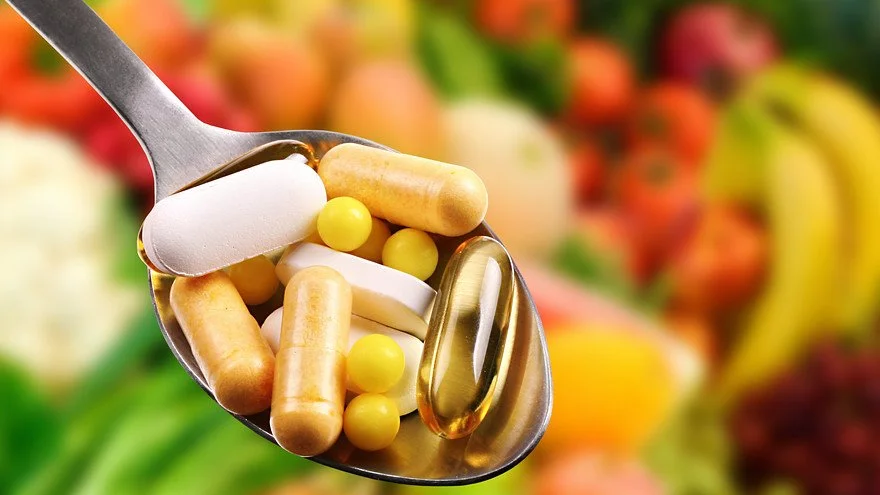
The symptoms of depression may be due to an underlying nutritional deficiency. For many, these deficiencies can be addressed through dietary changes or by taking supplements.
Fighting Depression with Vitamin D
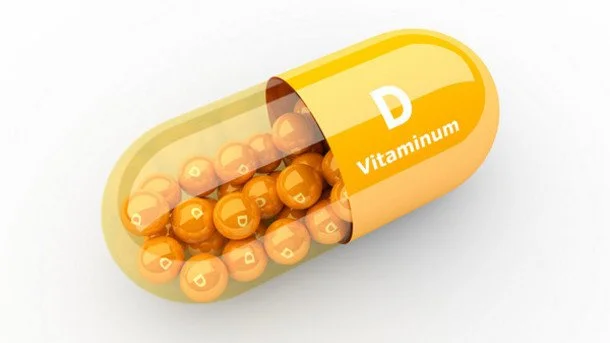
Recently, several studies have associated some mental health conditions, in particular, depression with a deficiency in Vitamin D.
Pregnancy & Vitamin D Deficiency

It is important that expecting mothers take the time to carefully monitor their health status to make sure that they have adequate levels of various nutrients and vitamins, including vitamin D.
Supplements & Antidepressants
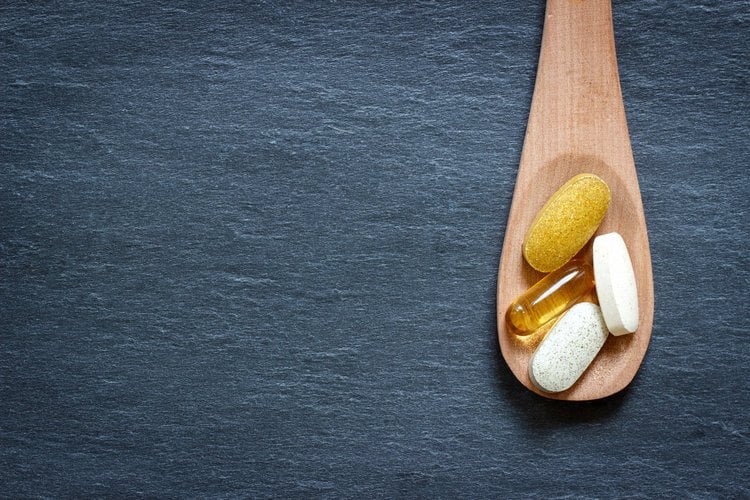
There is a growing interest in the practice of adding supplements in order to help increase the efficacy of depression treatment.
Omega 3s and Postpartum Depression

Pregnancy can be an exciting time full of new discoveries. Addressing depression in pregnant women and shortly after giving birth can be complex.
Omega 3s and ADHD

Studies to date have found that PUFA supplementation, especially a combination of omega 3 and omega 6 fatty acids, has been linked to a moderate improvement in behavior issues associated with ADHD as well as parent-rated symptoms of the ADHD.
Omega 3s for Depression
Evidence supports that notion that Omega 3s should be a part of a larger regimen of nutrients, lifestyle and in some cases, medication in order to fully address the symptoms of anxiety and depression.
Probiotics for Depression

More and more research is proving that the gut plays an important role in emotional and mental wellbeing. The gut-brain axis is the pathway through which these two parts of the body communicate, and because of this open line of communication, it is essential that we pay attention to how what we eat effects how we feel. As a curious and motivated integrative psychiatrist, Dr. Beata Lewis has spent a lot of time studying the importance of gut health and can offer guidance for those wanting to learn more.
4 Ways That Probiotics Improve Mental Health

However, recent studies show that the benefits of probiotics extend well beyond digestion: probiotics can also have a positive impact on mental health and may be a valuable addition to the tool box of psychiatrists and psychotherapists who care about holistic care.