
Skip to content

Patient Portal 

|

Text Us: 929-600-7724
MIND BODY Psychiatry Logo
  • About Us
    our team
    Our Team
    refer
    Refer a Patient
    career
    Careers
    fees
    Fees & Insurance
    drlewis
    DrLewis Functional Psychiatry Practice
  • Services
    hypnotherapy
    Hypnotherapy
    ketamine
    Ketamine Psychotherapy
    med management
    Medication Management
    nutrition
    Nutrition & Supplements
    psychiatric
    Psychiatric Evaluation & Treatment
    psychotherapy
    Psychotherapy
    service row1 (1)
    Child & Adolescent Psychiatry / Therapy
    service row1 (2)
    Adult Psychiatry and Therapy
    service row1 (3)
    Women’s Mental Health
    service row1 (4)
    LGBTQ+ Affirming Care
    service row1 (5)
    Executive & Professional Mental Health
    service row1 (6)
    Telehealth Psychiatry
    service row1 (7)
    Online Therapy
    service row1 (8)
    In-Person Psychiatry
    service row1 (9)
    Out-of-Network Psychiatrist
    Child Adolescent Psychiatry Therapy
    Couple’s Therapy
    Family Therapy
    Family Therapy
    Play Therapy
    Play Therapy
    Individual Therapy
    Individual Therapy
    Evidence Based Therapies
    Evidence-Based Therapies
    Integrative Psychotherapy
    Integrative Psychotherapy
    Integrative Mind Body Approaches
    Integrative & Mind-Body Approaches
    Mindfulness Based Therapy
    Mindfulness-Based Therapy
    Depression
    Depression & Treatment-Resistant Depression
    anxiery
    Anxiety / Health Anxiety / Panic Disorder
    adhd adults child
    ADHD (Adult & Child)
    ptsd menu
    PTSD & Trauma
    ocd menu
    OCD Treatment
    bipolar (1)
    Bipolar Disorder Treatment
    insomia
    Insomnia Treatment
    burnout (1)
    Burnout & Chronic Stress Treatment
    mental health support
    Grief Treatment
    post partum (1)
    Postpartum & Perinatal Mental Health Treatment
    therapy approaches (2)
    Therapy Approaches & Modalities
    cbt (1)
    Cognitive Behavioral Therapy (CBT)
    dbt (2)
    Dialectical Behavior Therapy (DBT)
    act (4)
    Acceptance and Commitment Therapy (ACT)
    psychodynamic (1)
    Psychodynamic Therapy
    emdr (1)
    EMDR Therapy
    last card (1)
    Internal Family Systems (IFS) Therapy
    trauma therapy (2)
    Exposure and Response Prevention (ERP)
    last card (3)
    Hypnotherapy
    trauma therapy (1)
    Trauma therapy
    emdr
    EMDR Therapy for Trauma
    trauma therapy (4)
    Trauma-Focused Cognitive Behavioral Therapy (TF-CBT)
    psych services
    Internal Family Systems (IFS) Therapy for Trauma
    Psychiatric Consultation (4)
    Psychedelic Integration Therapy
    somantic trauma (4)
    Somatic / Mind-Body Trauma Therapy
    somantic trauma (1)
    Psychiatry Services
    Psychiatric Consultation (4)
    Psychiatric Evaluation
    psych medication (1)
    Psychiatric Medication Management
    integrative psych (2)
    Integrative Psychiatry
    psych medication (2)
    Functional Psychiatry
    Psychedelic Integration (2)
    Metabolic Psychiatry
    Psychedelic Integration (4)
    Psychopharmacology
    Psychiatric Consultation (3)
    Psychiatric Consultation
    Psychiatric Consultation (1)
    Ketamine & Psychedelic Therapies
    ketamine (1)
    Ketamine-Assisted Psychotherapy
    ketamine infusion (2)
    Ketamine Infusion Therapy
    Psychedelic (1)
    Psychedelic Integration Therapy
    Psychedelic Integration (1)
    Treatment-Resistant Depression

    Book a Comprehensive ADHD Evaluation and Computerized Attention Assessment

  • Specialties
    addiction
    Addiction Treatment
    celebrating people
    ADHD Treatment
    anxiety
    Anxiety Treatment
    bipolar
    Bipolar Disorder Treatment
    smiling woman
    Body Image and Disordered Eating Treatment
    depression
    Depression Treatment
    grief
    Grief Therapy
    health anxiety
    Health Anxiety Treatment
    insomia
    Insomnia Treatment
    lgbt
    LGBTQ+ Affirming Therapy
    panic therapy
    Panic Therapy & Treatment
    relationship
    Relationship Therapy
    stress
    Stress Treatment
    trauma
    Trauma Therapy & Healing
    woman's health
    Women's Mental Health Treatment
  • Resources
    resources
    Resources
    faqs
    FAQs
    blog
    Blogs
    review
    Reviews
  • Contact Us
(212) 621-7770
Current patient
New Patient
MIND BODY Psychiatry Logo
  • About Us
    • Our Team
    • The Seven
    • Fees and Insurance
    • Careers
  • Services
    • ADHD Testing with Creyos
    • Health & Wellness Coaching
    • Hypnotherapy
    • Ketamine Therapy
    • Medication Management
    • Nutrition And Supliment
    • Psychiatric Evaluation and Treatment
    • Psychotherapy
    • Child & Adolescent Psychiatry / Therapy
    • Adult Psychiatry and Therapy
    • Women’s Mental Health
    • LGBTQ+ Affirming Care
    • Executive & Professional Mental Health
    • Telehealth Psychiatry
    • Online Therapy
    • In-Person Psychiatry
    • Out-of-Network Psychiatrist
    • ADHD Testing with Creyos
    • Couple’s Therapy
    • Family Therapy
    • Play Therapy
    • Individual Therapy
    • Evidence-Based Therapies
    • Integrative Psychotherapy
    • Integrative & Mind-Body Approaches
    • Mindfulness-Based Therapy
    • Depression & Treatment-Resistant Depression
    • Anxiety / Health Anxiety / Panic Disorder
    • ADHD (Adult & Child)
    • PTSD & Trauma
    • OCD Treatment
    • Bipolar Disorder Treatment
    • Insomnia Treatment
    • Burnout & Chronic Stress Treatment
    • Grief Treatment
    • Postpartum & Perinatal Mental Health Treatment
    • Therapy Approaches & Modalities
    • Cognitive Behavioral Therapy (CBT)
    • Dialectical Behavior Therapy (DBT)
    • Acceptance and Commitment Therapy (ACT)
    • Psychodynamic Therapy
    • EMDR Therapy
    • Internal Family Systems Therapy
    • Exposure and Response Prevention
    • Clinical Hypnotherapy
    • Trauma Therapy
    • EMDR Therapy for Trauma
    • Trauma-Focused Cognitive Behavioral Therapy
    • Internal Family Systems Therapy for Trauma
    • Psychedelic Integration Therapy
    • Somatic / Mind-Body Trauma Therapy
    • Psychiatric Services
    • Psychiatric Evaluation
    • Psychiatric Medication Management
    • Integrative Psychiatry
    • Functional Psychiatry
    • Metabolic Psychiatry
    • Psychopharmacology
    • Psychiatric Consultation
    • Ketamine & Psychedelic Therapies
    • Ketamine-Assisted Psychotherapy
    • Ketamine Infusion Therapy
    • Psychedelic Integration Therapy
    • Treatment-Resistant Depression
  • Specialties
    • Anxiety Treatment
    • ADHD Treatment
    • Trauma Therapy & Healing
    • Bipolar Disorder Treatment
    • Depression Treatment
    • Body Image and Disordered Eating Treatment
    • LGBTQ+ Affirming Therapy
    • Women’s Mental Health Treatment
    • Addiction Treatment
    • Grief Therapy
    • Panic Therapy & Treatment
    • Stress Treatment
    • Insomnia Treatment
    • Relationship Therapy
    • Health Anxiety Treatment
  • Resources
    • FAQs
    • Blogs
    • Reviews
  • Contact Us
  • About Us
    • Our Team
    • The Seven
    • Fees and Insurance
    • Careers
  • Services
    • ADHD Testing with Creyos
    • Health & Wellness Coaching
    • Hypnotherapy
    • Ketamine Therapy
    • Medication Management
    • Nutrition And Supliment
    • Psychiatric Evaluation and Treatment
    • Psychotherapy
    • Child & Adolescent Psychiatry / Therapy
    • Adult Psychiatry and Therapy
    • Women’s Mental Health
    • LGBTQ+ Affirming Care
    • Executive & Professional Mental Health
    • Telehealth Psychiatry
    • Online Therapy
    • In-Person Psychiatry
    • Out-of-Network Psychiatrist
    • ADHD Testing with Creyos
    • Couple’s Therapy
    • Family Therapy
    • Play Therapy
    • Individual Therapy
    • Evidence-Based Therapies
    • Integrative Psychotherapy
    • Integrative & Mind-Body Approaches
    • Mindfulness-Based Therapy
    • Depression & Treatment-Resistant Depression
    • Anxiety / Health Anxiety / Panic Disorder
    • ADHD (Adult & Child)
    • PTSD & Trauma
    • OCD Treatment
    • Bipolar Disorder Treatment
    • Insomnia Treatment
    • Burnout & Chronic Stress Treatment
    • Grief Treatment
    • Postpartum & Perinatal Mental Health Treatment
    • Therapy Approaches & Modalities
    • Cognitive Behavioral Therapy (CBT)
    • Dialectical Behavior Therapy (DBT)
    • Acceptance and Commitment Therapy (ACT)
    • Psychodynamic Therapy
    • EMDR Therapy
    • Internal Family Systems Therapy
    • Exposure and Response Prevention
    • Clinical Hypnotherapy
    • Trauma Therapy
    • EMDR Therapy for Trauma
    • Trauma-Focused Cognitive Behavioral Therapy
    • Internal Family Systems Therapy for Trauma
    • Psychedelic Integration Therapy
    • Somatic / Mind-Body Trauma Therapy
    • Psychiatric Services
    • Psychiatric Evaluation
    • Psychiatric Medication Management
    • Integrative Psychiatry
    • Functional Psychiatry
    • Metabolic Psychiatry
    • Psychopharmacology
    • Psychiatric Consultation
    • Ketamine & Psychedelic Therapies
    • Ketamine-Assisted Psychotherapy
    • Ketamine Infusion Therapy
    • Psychedelic Integration Therapy
    • Treatment-Resistant Depression
  • Specialties
    • Anxiety Treatment
    • ADHD Treatment
    • Trauma Therapy & Healing
    • Bipolar Disorder Treatment
    • Depression Treatment
    • Body Image and Disordered Eating Treatment
    • LGBTQ+ Affirming Therapy
    • Women’s Mental Health Treatment
    • Addiction Treatment
    • Grief Therapy
    • Panic Therapy & Treatment
    • Stress Treatment
    • Insomnia Treatment
    • Relationship Therapy
    • Health Anxiety Treatment
  • Resources
    • FAQs
    • Blogs
    • Reviews
  • Contact Us
Uncategorized

Apology Accepted

February 23, 2024

6 Min Read

Author Image
Written by: Dr. Lewis
Reviewed by: Hayden
Updated: October 21, 2025

Format

Topics

Home / Blogs / Apology Accepted

Written By: Heather Rolland, LCSW and Dr. Beata Lewis
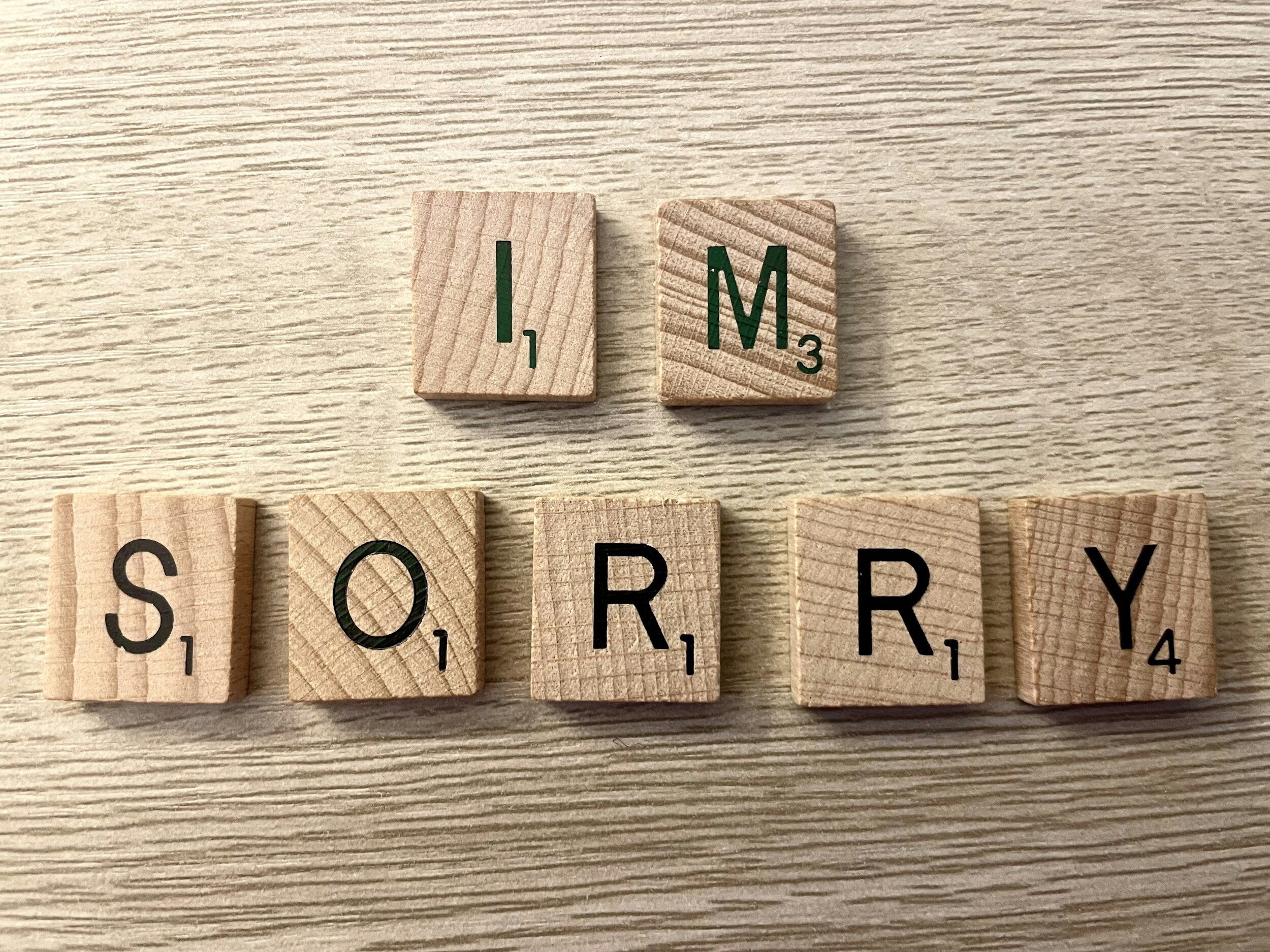
“I’m sorry.”

This simple phrase provides the backbone of what can either be a healing reconnection after an unintentional gaffe, or a dismissive and hurtful brush off. The components of a well-crafted apology are not as intuitive as you might think, but you always know when you’ve received one. A good apology feels wonderful.

Much has been published on the topic of apologizing. Dr. Aaron Lazare’s On Apology is a meticulous exploration of apologies in an exhaustive range of settings, from children to the workplace, to corporate apologies aimed at restoring public good will. Lazare’s work provides the basis for this article, but a quick google search will serve up an assortment of shorter articles in various online journals, full of useful summaries and suggestions.

How to apologize is a skill that can be learned, both in terms of general “dos and don’ts” and specific building blocks of a thorough and healing apology. Apologizing so carefully may feel uncomfortably scripted at first, especially if you’re unaccustomed to being this mindful and accurate with words. With practice, it gets easier.

Before we dive into the four main aspects of an apology, some general considerations are worth reviewing. First, the purpose of an apology is to attend to the other person’s feelings. It’s a time to acknowledge, repair or heal, and show compassion for the distress you caused. Owning your own role in hurting someone you care about can be uncomfortable at best, and our attempts to avoid this discomfort often derail our efforts to apologize. It might help to sit with your own feelings of guilt or shame, if they come up, before trying to articulate an apology.

Apologies are about acknowledging another’s experience. You don’t have to share the experience or “agree” with it to acknowledge it. You may perceive the event or interaction differently, but the apology isn’t the moment to seek equal time to share that different point of view. Trust that once you’ve apologized, and processed the incident, if the need to share your perspective still feels potent, you can do so.

Apologies don’t include caveats or disclaimers. Look for the word “if” as in: “I’m sorry if I hurt your feelings.” An apology that includes the “if” feels less genuine, and can even feel like a thinly veiled accusation. If you’re not sure whether or not you’ve caused pain, ask “have I hurt your feelings?” If the answer is yes, apologize without reservation.

Apologies are a great opportunity to use “I statements.” I statements make owning what you’ve done, and owning your remorse, relatively easy and straightforward. If you’re struggling with how to phrase it, the simpler the better. “I’m sorry I hurt your feelings” is an excellent place to start.

The four main parts of a complete and well-crafted apology include:

  1. acknowledgement of what happened

  2. the words “I’m sorry” or “I apologize” without caveats

  3. acknowledgement of the impact of the event

  4.  an expression of remorse

Before we look at each of these components in more detail, let’s look at a couple of well-articulated apologies:

“I’m sorry I interrupted you. I cut you off mid-sentence. Doing that was rude of me and hurt your feelings. I feel bad for treating you rudely.”

“I broke your favorite coffee mug this morning. I’m sorry; I know you liked the way it fit in your hand. I feel terrible for using it without asking.”

The first component of a healing apology is an explicit confirmation of what happened. By describing the event in your apology, you’re validating the other person’s experience, confirming their experience of having been hurt or harmed. It might seem like stating the obvious to do this so bluntly, but way too often in problematic apologies, we seek to minimize our own discomfort using denial. Restating what happened leaves no room for doubt; it’s a way of demonstrating your understanding. To fail to do this may inadvertently contribute to a sense of being gaslit. If an apology contains elements of denial or minimization, it may do more harm than good.

The second part is to clearly articulate the apology. The words “I’m sorry,” or “I apologize” need to be delivered. Don’t dance around it, dress it up, or bury it in extra words. This is the core of an apology and needs to be said.

In addition, take ownership of the impact. In most instances, the lack of intent to hurt is assumed. You don’t need to assure the injured party that you didn’t mean it: they know. Intent isn’t the issue here. Impact is. By clearly stating that you understand the impact you have had on the injured party, you are once again validating their experience. Feeling validated can ease the original hurt and may lay the groundwork for forgiveness.

Lastly, share your remorse. Let the injured party know that you feel bad about what you’ve done. Use those I statements. Frequently, relationships in which we unintentionally cause hurt and need to apologize are close ones, and it’s easy to assume that we don’t want to cause grief or pain to those we love. It’s helpful to say so, to express your honest and vulnerable feelings about what you’ve done. Remember, though, this isn’t about you, so in expressing your remorseful feelings, be careful to own them without seeking some sort of emotional tit for tat.

After apologizing, explore how the situation can be remedied. “What can I do to make it up to you?” might be an appropriate question, particularly in work-related situations.

Misunderstandings and miscommunications happen. Human communication is fallible and flawed and we just can’t help the occasional stumble into hurt feelings. Learning to apologize well and comfortably, without shame or awkwardness, is a prime skill of adulting. With practice, it can become second nature.

However, if you find that you are apologizing (or hoping to receive an apology) more often than you feel you should be, perhaps there are aspects of your communication style or personal history that are getting in your way. Therapy is an excellent place to explore unproductive or uncomfortable patterns of communication. With guidance from a skilled professional, you may be able to change those patterns. To discuss issues like these further, please email us at info@mindbody7.com.


Mind Body Seven clinicians offer treatment in Brooklyn and via teletherapy for adolescents and adults. If have not worked with us and want to get started please contact us here, so we can set you up with the clinicians that best suit your individual needs. If you are an existing patient get in touch with us here to set up your next appointment.

Book a Comprehensive Assessment

Get Started

Ready to begin your healing journey?

Schedule a Consultation

About Dr. Lewis

Dr. Lewis

Dr. Beata Lewis is quadruple board-certified in adult psychiatry, child & adolescent psychiatry, integrative medicine, and integrative holistic medicine, with over 20 years of clinical experience. She founded Mind Body Psychiatry group practices in New York. Beyond her clinical work, Dr. Lewis is an active educator and leader in the field of integrative psychiatry. She is licensed to practice in New York, California, and New Jersey.

Whatever you’re facing, you don’t have to face it alone. Our compassionate team is here to help.

Start Your Journey Today

Related Topics

  • ADHD Medication Management in Brooklyn, NY
  • Online vs In-Person Therapy in Brooklyn: Pros and Cons
  • Therapy in Brooklyn: How Location, Access, and Scheduling Matter
  • Finding the Right Therapist in Brooklyn: Questions to Ask Before You Start
  • Mindfulness: An Essential Tool for Building Self-Compassion
First Co-Author Image

Author

Beata "Bliss" Lewis, M.D.

Owner

I'm Dr. Beata "Bliss" Lewis, a Harvard-trained psychiatrist specializing in integrative approaches to mental health. I blend traditional psychiatry with functional medicine, incorporating psychotherapy, medications, supplements, functional lab testing, mind-body techniques, and lifestyle interventions to treat the whole person. My training includes adult psychiatry at Columbia and child psychiatry at NYU Child Study Center, with advanced certifications in functional and integrative medicine. I specialize in anxiety, depression, ADHD, and trauma. As a mother of twin elementary school girls, I stay connected to the everyday realities families face.

Reviewed By:

Reviewed By Image

Hayden Reed

Administrative Staff

Ready to begin your healing journey?

Get started with Mind Body Psychiatry

Schedule a Consultation
MIND BODY Psychiatry LOGO White
Facebook Youtube Instagram Mental Health Support tiktok

Join our Newsletter

Join our email list. Subscribers receive exclusive content featuring my best wisdom, resources, and advice to enhance your well-being.


Specialties

  • ADHD
  • Anxiety
  • Bipolar Disorder
  • Depression
  • Grief Therapy
  • Trauma
  • Eating & Body Concerns
  • Relationship Concerns
  • Insomnia Treatment
  • Stress Treatment
  • Women’s Health
  • LGBTQ+ Affirming Therapy
  • ADHD
  • Anxiety
  • Bipolar Disorder
  • Depression
  • Grief Therapy
  • Trauma
  • Eating & Body Concerns
  • Relationship Concerns
  • Insomnia Treatment
  • Stress Treatment
  • Women’s Health
  • LGBTQ+ Affirming Therapy

Browse

  • Home
  • About Us
  • Services
  • Resources
  • Reviews
  • Contact Us
  • Home
  • About Us
  • Services
  • Resources
  • Reviews
  • Contact Us

Contact Info

  • Email: info@mindbody7.com
  • Text: (929) 600-7724
  • Call: (212) 621-7770
  • Brooklyn Office:
    200 Prospect Park West Brooklyn, NY 11215
castle connoly

©2025 Mind Body Psychiatry PC | All Rights Reserved.

  • Terms of Service
  • Privacy Policy
  • Terms of Service
  • Privacy Policy

ADHD Evaluation Form

Creyos+ ADHD Evaluation with 1 hour with a Licensed Clinical Psychologist

Creyos Assessment Form

Computerized Attention and Cognitive Function Assessment

Schedule a Consultation Fees & Insurance

Schedule Your Consultation

Complete the form below and you’ll be redirected to our secure scheduling portal.

We use cookies to ensure that we give you the best experience on our website. If you continue to use this site we will assume that you are happy with it.