
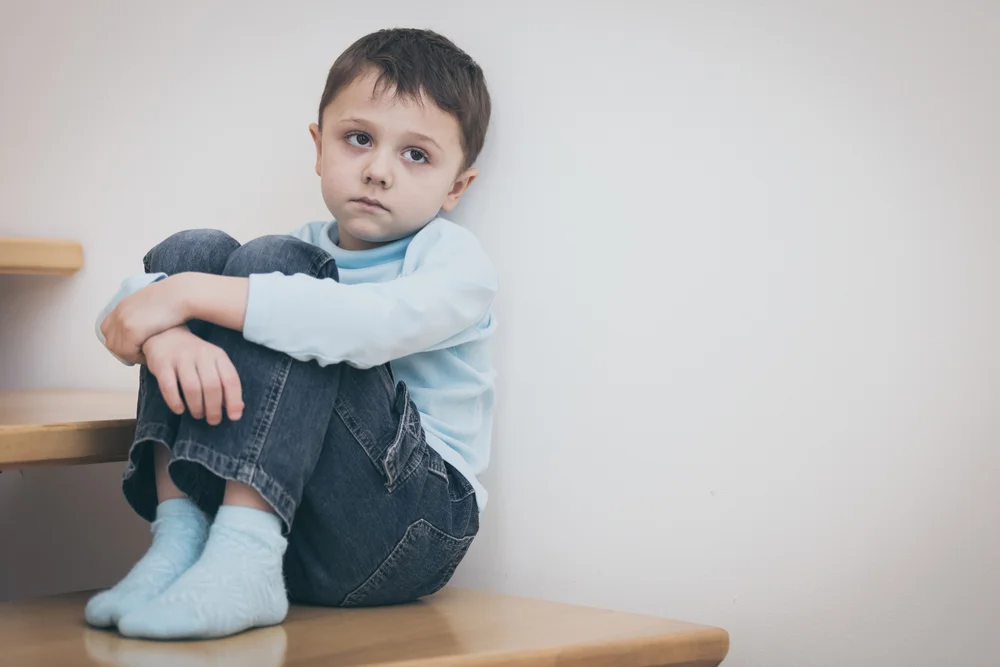
Grief is a family affair. When a loss impacts a household—whether it is the death of a parent, a sibling, or a grandparent—it ripples through every room, affecting everyone differently.
As an adult, you might find yourself navigating your own heavy sorrow while simultaneously trying to parent a grieving child. It is a balancing act of immense difficulty. You might look at your child playing video games or laughing with friends and wonder, “Do they even understand what happened?” Or conversely, you might see them struggling in school and worry, “Is this normal grief, or is something deeper wrong?”
Understanding the nuances of how grief manifests across different developmental stages is crucial. While the core emotion of loss is universal, the expression of that loss varies wildly between adults and children. This is particularly true when grief becomes “stuck,” evolving into what clinicians now diagnose as Prolonged Grief Disorder (PGD).
At Mind Body Seven, we specialize in treating the whole family system. We know that a parent’s understanding of their child’s grief is the single most important factor in that child’s healing. This guide will explore the critical differences between adult and childhood grief, help you identify the red flags of Prolonged Grief Disorder in kids, and provide actionable strategies to support your family’s journey toward healing.
The Universal Language of Loss: What is Prolonged Grief Disorder?
Before dissecting the differences, it is important to establish a baseline. Prolonged Grief Disorder is a specific mental health condition that occurs when the natural adaptation to loss stalls. Instead of the intensity of grief subsiding over time, it remains acute, pervasive, and debilitating.
For adults, PGD is typically diagnosed if these intense symptoms persist for at least 12 months after the loss. For children and adolescents, the diagnostic window is shorter—6 months. This difference in timeframe reflects the rapid developmental changes children undergo; six months of stuck grief in a child’s life can derail critical developmental milestones in a way that it might not for an adult.
Whether in a 40-year-old or a 10-year-old, the core of PGD involves an intense, persistent yearning for the deceased and a disruption in identity. However, how that yearning and disruption look on the outside can be vastly different.
Adults vs. Children: The “Puddles and Oceans” Analogy
One of the most helpful ways to understand the difference between adult and childhood grief is the analogy of puddles and oceans.
Adult Grief is like an Ocean:
Adults tend to stay in the grief for long stretches. It is a deep, vast ocean that you wade into and stay submerged in. Adults have the cognitive capacity to understand the permanence of death and the future implications of the loss. An adult might spend days or weeks feeling consistently sad, struggling to function at work, or feeling a constant low-level hum of depression.
Childhood Grief is like Puddles:
Children, especially younger ones, cannot sustain intense emotions for long periods. Their grief looks like jumping in and out of puddles.
- 10:00 AM: The child is sobbing because they miss their dad.
- 10:15 AM: The child is happily playing Lego or asking for a snack.
- 10:30 AM: The child is angry and throws a toy.
This “puddle jumping” can be confusing for parents. You might think your child is “over it” because they are playing, only to be blindsided by a meltdown an hour later. This is not a sign of shallowness; it is a biological safety mechanism. A child’s nervous system protects them from being overwhelmed by dosing the grief in manageable chunks.
Cognitive Differences
- Abstract vs. Concrete: Adults grieve the abstract future (the wedding the deceased won’t attend, the retirement plans cancelled). Young children grieve the concrete present (who will drive me to soccer? Who will make my lunch?).
- Permanence: Children under age 5 or 6 often struggle to grasp that death is permanent. They may ask repeatedly when the person is coming back. This is not denial; it is a developmental limitation. Adults wrestle with the existential weight of “forever,” while children wrestle with the confusion of “right now.”
Recognizing Prolonged Grief in Adults
In adults, PGD often looks like a life that has frozen in time. The signs are usually consistent and pervasive.
- Identity Crisis: Feeling like a part of oneself died with the loved one. “I don’t know who I am without him.”
- Avoidance: Systematically removing reminders of the deceased from one’s life or refusing to speak about them to avoid pain.
- Social Withdrawal: A steady retreat from friends, hobbies, and social obligations.
- Emotional Numbness: A pervasive flatness or bitterness that coats all interactions.
- Functioning Issues: Significant trouble maintaining employment or managing household tasks due to the consuming nature of the grief.
If you recognize these signs in yourself, it is vital to seek support. Our Psychotherapy services can provide a space to unpack this frozen grief.
Recognizing Prolonged Grief in Children: The Red Flags
Diagnosing PGD in children is trickier because their “normal” behavior can be erratic. However, if six months have passed and you observe these patterns, it may signal that your child needs professional help.
1. Regression (Moving Backward)
It is normal for a grieving child to regress slightly immediately after a loss. But if a 10-year-old starts wetting the bed again and continues for months, or if a teenager suddenly refuses to sleep alone or needs help with tasks they had previously mastered, this is a sign of significant distress. The child is retreating to a developmental stage where they felt safer.
2. Separation Anxiety
In PGD, the child often develops a terrifying fear that other loved ones will die. They may cling to the surviving parent, refuse to go to school (school refusal), or panic when you leave the room. This isn’t just “missing mom”; it is a trauma response indicating their world no longer feels safe.
3. Behavioral Outbursts vs. Withdrawal
Children often “act out” their feelings rather than talking about them.
- Externalizing: In boys particularly, grief can look like ADHD or Oppositional Defiant Disorder. They may become aggressive, get in fights at school, or become uncharacteristically destructive.
- Internalizing: Other children may become the “perfect child,” terrified of causing any more trouble for their grieving parents. They may withdraw into their rooms, stop seeing friends, or lose interest in activities they used to love (e.g., quitting the soccer team).
4. Somatic Complaints (Body Pain)
Children often lack the vocabulary to say, “I feel an oppressive sadness in my chest.” Instead, they say, “My tummy hurts” or “I have a headache.” Frequent trips to the school nurse with no medical cause are a classic sign of unprocessed grief in children.
5. Magical Thinking and Guilt
Children are egocentric by nature. They often believe their thoughts or actions caused the death. “Daddy died because I was naughty” or “If I am really good, maybe he will come back.” In PGD, this magical thinking persists and can lead to intense, secret guilt that the child carries alone.
6. Risk-Taking Behavior (Adolescents)
Teenagers with PGD are at higher risk for substance use, reckless driving, or sexual promiscuity. They may adopt a nihilistic view—“What’s the point? We’re all going to die anyway”—that fuels dangerous behavior. This is often an attempt to numb the pain or regain a sense of control.
Developmental Stages of Grief
To support your child, you need to know what is typical for their age.
Preschool (Ages 3-5)
- Concept of Death: Reversible and temporary.
- Grief Response: Repetitive questions (“When is Grandma coming back?”), regression in potty training, thumb sucking, nightmares.
- Parental Tip: Be patient with the questions. Answer simply and honestly. Avoid euphemisms like “went to sleep,” which can cause fear of bedtime.
School Age (Ages 6-9)
- Concept of Death: Beginning to understand permanence, but may personify death (like a ghost or monster).
- Grief Response: Concern about their own health or the health of parents. Specific anxiety about the details of the death. May withdraw or become aggressive.
- Parental Tip: Offer reassurance about their safety. Encourage expression through play, drawing, or storytelling.
Pre-Teens and Adolescents (Ages 10-18)
- Concept of Death: Fully adult understanding.
- Grief Response: May mask their feelings to appear “grown-up” or to fit in with peers. May rely on friends more than family. immense anger or guilt.
- Parental Tip: Respect their need for privacy but keep the door open. Watch for risk-taking behaviors. Don’t force them to talk, but be available when they are ready.
How Parents Can Support a Grieving Child
If you suspect your child is struggling with more than just standard grief, or if you simply want to buffer them against PGD, here are evidence-based strategies.
1. Put on Your Own Oxygen Mask First
This is the most critical advice. Children are barometers of their parents’ emotional states. If you are falling apart, terrified, or unable to function, your child will sense that the world is unsafe. You do not need to hide your grief—it is healthy for children to see parents cry—but you need to demonstrate that you can cope with the grief.
Seeking your own support through Grief Therapy or Medication Management models healthy behavior. It shows your child that it is okay to ask for help when things are hard.
2. Maintain Routine
Death destroys the structure of a family. Rebuilding that structure is essential for a child’s sense of safety. Keep bedtimes, meal times, and school routines as consistent as possible. Knowing what will happen next provides a secure container for their chaotic emotions.
3. Validate the “Puddle Jumping”
Do not shame a child for playing or laughing shortly after a loss. Say things like, “I’m so glad you had fun playing tag today. It’s okay to be happy even though we are sad about Grandpa.” Give them permission to take breaks from the grief.
4. Create a “Worry Time” or “Memory Box”
If a child is anxious or ruminating, structure it.
- Worry Time: Set aside 15 minutes a day to talk about fears. If they worry at school, tell them to “save it for worry time.”
- Memory Box: Create a physical box with photos and items from the loved one. When the child misses them, they can go to the box. This gives them a concrete way to connect.
5. Communicate Honestly (Age-Appropriately)
Children fill silence with their own (often scarier) imagination. Be honest about the cause of death. Use the words “died” and “dead.” Euphemisms like “lost” or “passed away” are confusing.
- Bad: “Daddy went away.” (Child thinks: Why didn’t he take me? Did he abandon us?)
- Good: “Daddy’s body stopped working and he died. He loved you very much, and he didn’t want to leave, but his body couldn’t stay alive anymore.”
6. Watch for the “Parentification” Trap
In the absence of a parent (due to death or incapacitating grief), an older child may step up to fill the void. They become the “little man of the house” or the “little mother.” While this seems helpful, it is damaging. It robs the child of their childhood and forces them to suppress their own grief to care for you. Gently relieve them of these duties. “You don’t need to take care of me. I am the parent, and I will take care of us.”
When to Seek Professional Help for Your Child
While love and support are powerful, they are not always enough. Prolonged Grief Disorder in children requires clinical intervention.
Seek help immediately if your child:
- Expresses a wish to join the deceased (suicidal ideation).
- Is harming themselves or others.
- Has stopped eating or sleeping significantly.
- Has completely withdrawn from friends and school for an extended period.
- Is experiencing hallucinations (beyond fleeting comfort).
Specialized Treatments for Children
Therapy for children looks different than therapy for adults. It rarely involves sitting in a chair and talking for 45 minutes.
- Play Therapy: For younger children, play is their language. Therapists use dolls, sand trays, and art to help children act out the trauma and process their feelings in a safe, symbolic way.
- Trauma-Focused CBT (TF-CBT): This is highly effective for children dealing with traumatic grief. It helps them correct distorted thoughts (like “it was my fault”) and learn relaxation skills to manage anxiety.
- Family Therapy: Sometimes the whole system needs a tune-up. Family therapy helps improve communication, so family members can support each other rather than grieving in isolation.
At Mind Body Seven, our Child Psychiatry and therapy teams are experienced in differentiating between normal developmental grief and clinical disorders. We provide a safe space where children can express the “un-expressible.”
The Interplay: How Adult and Child Grief Feed Each Other
It is important to acknowledge the feedback loop. An adult with untreated Prolonged Grief Disorder is less emotionally available to their child. A child acting out due to grief adds stress to the grieving parent.
This is why we advocate for a holistic, family-centered approach. Treating the parent is treating the child, and vice versa.
- For the Parent: If you are struggling to get out of bed, our Functional Medicine team can look at how stress is affecting your physiology, while our therapists help you process the emotional burden.
- For the Child: If your teen is acting out, our therapists can help them find healthier outlets for their anger, relieving the tension at home.
Conclusion: Healing Together
Grief changes a family. You will never be exactly the same as you were before the loss. But “changed” does not mean “broken.”
By understanding the differences between how you grieve and how your child grieves, you can avoid misunderstandings. You can stop judging your child for playing video games, and they can understand why you cry in the kitchen.
If you are worried that your family is stuck—that the puddle jumping has stopped or the ocean is too deep—please reach out. Prolonged Grief Disorder is treatable in both adults and children.
You do not have to navigate this darkness alone. Let us help your family find the light again.
Frequently Asked Questions for Parents
Q: Should I let my child attend the funeral?
A: generally, yes, if they want to. It provides closure and helps them understand the reality of death. However, prepare them for what they will see (people crying, a casket) and ensure there is a designated adult to take them out if they get overwhelmed. Never force a child to attend.
Q: My child seems fine. Should I send them to therapy “just in case”?
A: Not necessarily. Forced therapy can be counterproductive. Keep an open dialogue. If they are functioning well (sleeping, eating, playing, learning), they may be processing naturally. Watch and wait.
Q: Is it normal for my teenager to be angry at the person who died?
A: Yes. Anger is a very common reaction to the feeling of abandonment. Validate it. “It makes sense that you’re mad that Dad isn’t here to teach you to drive.”
Q: How do I handle holidays and birthdays?
A: Involve the children in the planning. Ask, “What should we do to remember Mom this Christmas?” Maybe you light a special candle or cook her favorite meal. Creating new rituals helps bridge the past and the future.
Q: Can medication help my grieving child?
A: Medication is rarely the first line of defense for grief in children, but it can be helpful if the grief has triggered severe anxiety, depression, or insomnia that is interfering with their development. A consultation with a Psychiatric Nurse Practitioner can help determine if it is appropriate.
If you are concerned about your child’s grief or your own, please contact us to schedule a family consultation.

