
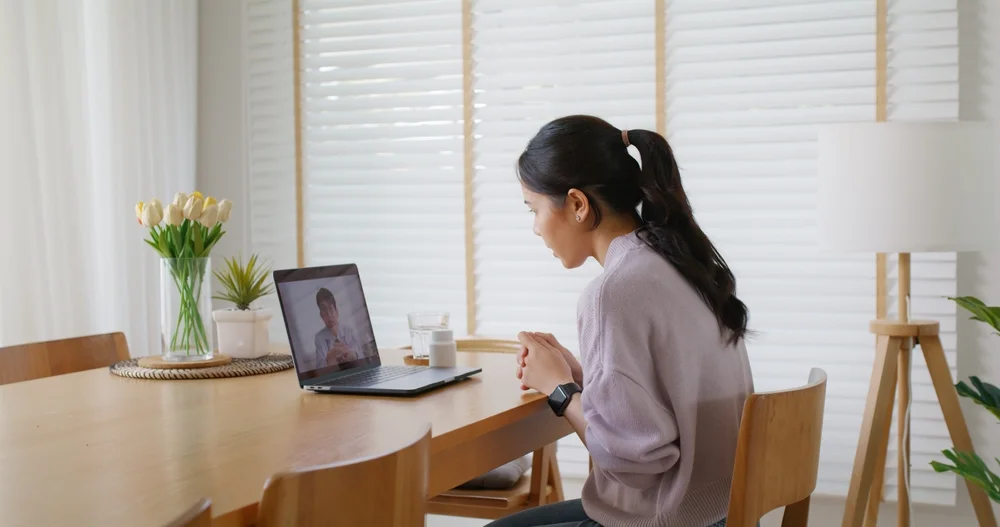
The landscape of mental health care has shifted dramatically in recent years, and nowhere is this more evident than in the bustling borough of Brooklyn. Known for its vibrant culture, brownstone-lined streets, and relentless pace, Brooklyn is a place where life moves fast. But when loss strikes, the world stops.
Grief is an intensely personal, often debilitating experience that demands we slow down and process our emotions. However, finding the space and time to do so in a city that never sleeps can feel impossible. This friction between the need for stillness and the reality of urban living has driven a significant trend: more and more Brooklyn residents are seeking online grief therapy services.
The rise of telehealth is not just a remnant of the pandemic era; it has become a preferred modality for many, especially when dealing with the sensitive and exhausting nature of bereavement. But what exactly is driving this shift? Why are people choosing to open their laptops instead of walking into an office when their hearts are broken?
This comprehensive guide explores the surge in online grief therapy in Brooklyn. We will delve into the unique challenges of grieving in the city, the specific benefits of virtual care for the bereaved, and how practices like Mind Body Seven are meeting this growing demand with compassionate, evidence-based solutions.
The Unique Challenge of Grieving in Brooklyn
To understand the shift toward online therapy, we first need to look at the context of living in Brooklyn. While it is one of the most exciting places to live, it presents specific hurdles for someone navigating significant loss.
The “Public Privacy” Problem
New York City is famous for its lack of privacy. You are constantly surrounded by people—on the subway, in the bodega, on the sidewalk—yet often feel anonymous. For a grieving person, this is a double-edged sword. You might want to be alone, but true solitude is hard to find. Conversely, if you need to cry, you often have to do it in public.
The prospect of commuting to a therapist’s office involves navigating these public spaces while in a state of high emotional vulnerability. The fear of breaking down on the G train or having to interact with strangers when you feel raw can be a significant barrier to seeking help.
The relentless Pace
Brooklyn culture is often defined by “hustle.” There is a pressure to be productive, social, and active. Grief, by contrast, is slow, messy, and exhausting. It does not adhere to a 9-to-5 schedule. The logistics of carving out travel time, waiting room time, and session time in the middle of a workday can feel overwhelming when you are already struggling just to get out of bed.
High Cost of Living and Time Constraints
Time is a currency in New York. Between long commutes and demanding jobs, finding an extra two hours (including travel) for a therapy appointment is a luxury many cannot afford. This logistical pressure often leads people to deprioritize their mental health, pushing their grief down until it manifests as burnout or physical illness.
The Rise of Telehealth for Grief: Why It Works
Online therapy—also known as teletherapy or telehealth—has emerged as a powerful solution to these challenges. While initially a necessity, it has proven to be uniquely suited for grief counseling.
1. The Comfort of Your Own Sanctuary
Grief often comes with a physical need for comfort. It can make you feel cold, shaky, or incredibly tired. Being able to attend a therapy session from your own couch, wrapped in a blanket, with your pet nearby, offers a level of safety that a clinical office simply cannot match.
In online therapy, you control your environment. You can have your tissues, your tea, and your photos of your loved one right there. This sense of safety can often help clients open up more quickly and deeply than they might in a strange office.
2. Eliminating the Commute
We cannot overstate the value of removing the commute. When you are grieving, your energy reserves are depleted. The “brain fog” of grief makes navigating transit or traffic stressful and confusing.
By choosing online services, you save that precious energy for the therapy work itself. There is no anxiety about being late due to train delays. There is no need to “compose yourself” for the ride home. When the session ends, you are already home. You can take a nap, journal, or simply sit in silence immediately after a breakthrough, rather than being thrust back into the noise of the city.
3. Privacy and Anonymity
For many Brooklyn residents, privacy is paramount. You may not want your neighbors to see you entering a therapist’s office. You may be a public figure or a professional who worries about running into colleagues in a waiting room.
Online therapy offers total discretion. No one needs to know you are in treatment unless you choose to tell them. This barrier-free access encourages many people—particularly men or those from cultures where therapy is stigmatized—to seek the help they need.
Is Online Grief Therapy Effective?
A common question is whether virtual therapy can be as effective as in-person sessions, especially for something as emotional as grief. The answer, backed by research, is a resounding yes.
Therapeutic Alliance Over Screen
Studies consistently show that the “therapeutic alliance”—the bond of trust between client and therapist—can be built just as effectively over video as in person. Skilled therapists are trained to read non-verbal cues, tone of voice, and facial expressions through the screen.
At Mind Body Seven, our clinicians are experienced in creating a warm, empathetic virtual presence. Whether you are working with a psychiatrist like Dr. Beata Lewis or a psychotherapist, the focus remains on deep connection and attentive listening.
Access to Specialists
One of the biggest advantages of online therapy is that it expands your pool of potential providers. You are no longer limited to therapists within walking distance of your apartment.
If you live in Bay Ridge but the perfect specialist for Grief Therapy is based in Williamsburg or even Manhattan, telehealth bridges that gap instantly. This allows you to choose a provider based on their expertise and fit, rather than their zip code.
Addressing Specific Types of Grief Online
Grief is not a monolith. Different types of loss require different approaches, and online therapy is adaptable to various needs.
Anticipatory Grief
For those caring for a terminally ill loved one, leaving the house for therapy is often impossible. You may need to be available at a moment’s notice. Online therapy allows caregivers to get support during nap times or quiet moments without leaving their loved one’s side.
Traumatic Grief
When loss is sudden or violent, it can result in trauma symptoms like agoraphobia (fear of leaving safe spaces) or hypervigilance. For these individuals, the idea of taking the subway is terrifying. Online therapy acts as a lifeline, allowing them to begin treatment in a place where they feel safe. Therapists can even use modified trauma techniques, such as online EMDR, to help process these memories.
Collective and Community Grief
Brooklyn is a community of communities. When a neighborhood or specific group faces a collective loss, online support groups can bring people together who might otherwise be scattered. It allows for a shared space of healing without the logistical nightmare of coordinating a physical meeting place for everyone.
The Mind Body Seven Approach to Online Care
At Mind Body Seven, we have embraced the shift to digital health while maintaining the high standards of our integrative practice. We understand that technology is just a tool; the healing comes from the human connection it facilitates.
Comprehensive Intake Process
Our online process begins just like our in-person one. You reach out via our contact form, and our intake coordinators work to match you with the clinician best suited to your needs. We don’t use algorithms; we use human judgment to ensure a good fit.
Integrative Services via Telehealth
One of the unique aspects of our practice is that we offer more than just talk therapy online.
- Medication Management: If your grief has triggered severe depression or insomnia, our nurse practitioners, such as Kathleen Fentress Tripp, NP, can conduct thorough psychiatric evaluations and manage prescriptions via secure video calls.
- Nutritional Psychiatry: Grief affects how we eat and digest. Dr. Beata Lewis and her team can provide functional medicine consults online, helping you use nutrition to support your mental health during this depleting time.
- Mind-Body Coaching: Providers like Chelsea Karpeh, PMHNP can guide you through breathwork and somatic exercises over video, helping you release the physical tension of grief.
Continuity of Care
Life in Brooklyn is unpredictable. You might start with online therapy because your schedule is crazy, but decide later you want to come in for an in-person session. Or perhaps you travel frequently for work. Our hybrid model allows for flexibility. You are not locked into one format forever; we adapt to your life.
Overcoming Potential Barriers to Online Therapy
While the benefits are clear, some people still hesitate. Let’s address common concerns about moving grief work online.
“It feels impersonal.”
This is a valid fear. However, many clients find that the screen quickly “disappears” once the conversation deepens. The intimacy of looking directly at your therapist’s face, without the distractions of an office environment, can actually heighten the sense of connection.
“I don’t have a private space at home.”
In cramped Brooklyn apartments with roommates or partners, finding privacy can be tough. We work with clients to find creative solutions—using white noise machines, headphones, or even taking sessions from a parked car or a quiet corner of a park (if data allows).
“I’m not good with technology.”
You don’t need to be a tech wizard. Our platforms are user-friendly, secure, and HIPAA-compliant. If you can click a link in an email, you can attend therapy. Our staff is always available to help troubleshoot any connection issues.
Tips for a Successful Online Therapy Experience
If you decide to pursue online grief therapy, here are some tips to make the most of it:
- Create a Ritual: Since you don’t have a commute to prepare, create a small ritual before your session. Light a candle, make a cup of tea, or take five minutes of deep breaths to transition from “work mode” to “therapy mode.”
- Protect Your Space: Put a “Do Not Disturb” sign on your door. Turn off notifications on your phone. Treat the time as sacred.
- Be Honest About the Format: If something about the video setup isn’t working for you (e.g., you can’t hear well, or you feel distracted), tell your therapist. We can adjust.
- Plan for After-Care: When you click “leave meeting,” you are instantly back in your room. Have a plan for the 15 minutes after therapy. Do not jump straight onto a Zoom call for work. Give yourself a buffer to decompress.
The Future of Grief Support in Brooklyn
The trend toward online grief therapy is not slowing down. As Brooklyn continues to evolve, so too does the way its residents care for their mental health. The stigma around therapy is decreasing, and the demand for accessible, high-quality care is increasing.
For the grieving, technology offers a bridge. It connects the isolated individual in their apartment to a compassionate professional who can help them navigate the darkness. It transforms the daunting task of “getting help” into a manageable step of “logging on.”
At Mind Body Seven, we are proud to be at the forefront of this evolution, offering robust online services that bring our expertise directly to you. We believe that no one should have to grieve alone simply because they cannot make it to an office.
Taking the Next Step
If you are struggling with the weight of loss, please know that support is available, right where you are. You do not need to navigate the subway or brave the crowds to find a safe space.
Whether you are dealing with a recent death, a past trauma, or the complex emotions of a life transition, our team is here to listen. We offer a range of specialists who can meet you virtually, offering the evidence-based care and human connection you deserve.
To learn more about our providers and our approach to loss, visit our Grief Therapy page.
If you are ready to schedule a consultation or have questions about how online therapy works, please contact us today. Your healing journey can begin from the comfort of your own home.
Frequently Asked Questions About Online Grief Therapy
Q: Is online therapy covered by insurance?
A: In many cases, yes. Since the pandemic, most insurance providers have expanded their coverage to include telehealth services at the same rate as in-person visits. However, plans vary, so we always recommend checking with your specific provider. Our office can also help you understand your benefits.
Q: Can children do online grief therapy?
A: Yes, though it looks different than adult therapy. For younger children, therapists might use interactive games or drawing exercises over the screen. For adolescents, online therapy is often their preferred method of communication. Our child specialists, like Dr. Elena Man, are skilled at engaging young people virtually.
Q: What if I get emotional and disconnected?
A: Technicians glitches happen, but we have protocols in place. If a call drops during a critical moment, your therapist will call you on the phone immediately to ensure you are safe and supported until the video can be re-established. You are never left “hanging” in a moment of distress.
Q: Can I switch to in-person later?
A: Absolutely. Many of our clients start online and eventually move to in-person sessions, or do a mix of both. We are flexible and want to support whatever modality works best for your healing at any given time.
Q: Is it safe to do EMDR online?
A: Yes. EMDR (Eye Movement Desensitization and Reprocessing) has been successfully adapted for online delivery. Therapists use special software or guided techniques that allow for bilateral stimulation through the screen. It is a safe and effective way to process traumatic grief remotely.
Grief is a journey that changes you. It requires patience, courage, and support. In Brooklyn, that support is now more accessible than ever. By embracing online therapy, you are choosing to prioritize your healing in a way that fits your life, your needs, and your reality. Reach out today, and let us help you find your footing again.

