Addressing Premenstrual Syndrome (PMS) with Acupuncture and Chinese Medicine
Approximately 90% of women experience some type of premenstrual symptoms, what we typically refer to as PMS or Premenstrual Syndrome. PMS includes things like bloating, breast tenderness, and irritability and differs from person to person in terms of symptoms and severity. For some women, PMS can be so severe that it causes them to miss work, school, or other commitments, for others it is a very minor experience. When PMS gets to the point where it begins to consistently interfere with daily functioning and personal relationships, a diagnosis of Premenstrual Dysphoric Disorder (PMDD) may be made. PMDD affects about 2–6% of menstruating women and may be caused by severe reactions to hormone changes, prostaglandins, and low levels of serotonin.
Some common treatments for both PMS and PMDD include:
-
dietary changes
-
regular exercise
-
stress management
-
vitamin supplements
-
over-the-counter pain relievers
-
anti-inflammatory medications
-
diuretics
-
hormone therapy
-
anti-depressants

Some women also choose to pursue therapeutic support, where they can learn coping strategies such as relaxation techniques. Acupuncture is another alternative treatment option which, in addition to being beneficial for overall wellness, may help with PMS and PMDD, based on limited, low-quality studies.
Evidence for Acupuncture as PMS/PMDD Treatment
Practitioners of Traditional Chinese Medicine (TCM) have been using acupuncture for thousands of years to address all types of physical and mental ailments. Based on a system of 12 meridians, acupuncturists use needles to stimulate different points along the meridians in order to address physical and emotional problems and provide relief.
Research on how acupuncture might work is ongoing, but there is evidence that acupuncture stimulates sensory nerves to effectively influence communication with the brain.
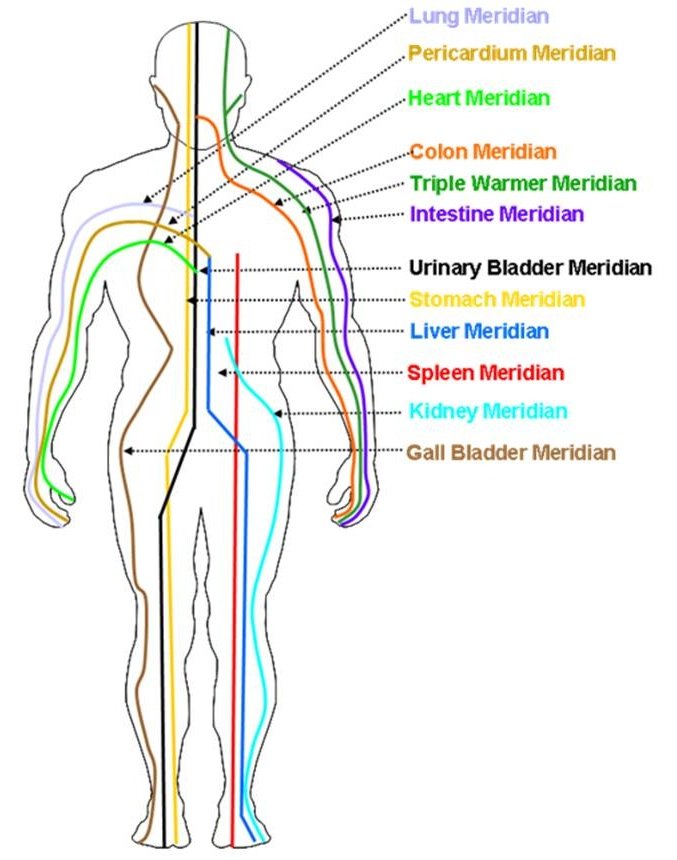
Source: http://alternativeresourcesdirectory.com/news/what-are-the-meridians
It is also believed that acupuncture provides relief by prompting the body’s natural healing mechanisms. Some researchers think it may reduce inflammation, but this is not well established.
Studies show that acupuncture also works on the mind, which can help to alleviate the mood swings associated with PMS. A recent review article from Armour and colleagues (2018) looked at five studies that used acupuncture in the treatment of PMS. They found that acupuncture seemed to reduce both the physical and mood-related symptoms associated with PMS, but rated the quality of the evidence as low.
Conclusions and Recommendations
Research on acupuncture as both preventative medicine and in the treatment of certain medical conditions like PMS and PMDD is ongoing and promising. While more studies are needed to fully understand its benefits, it may be worth considering for women seeking symptom relief from PMS and PMDD, alongside other treatment; serious side effects are uncommon when it is done by a licensed practitioner.
If you are curious about acupuncture but unsure if it is right for you, consider speaking with an acupuncturist or integrative medicine practitioner to learn more. It may also be helpful to do a trial run of a few sessions to see if you experience relief before committing to a longer term treatment course. For a holistic approach to managing PMS overall, integrative providers are a good option as they offer the ability to formulate a unified treatment plan to address all symptoms.
